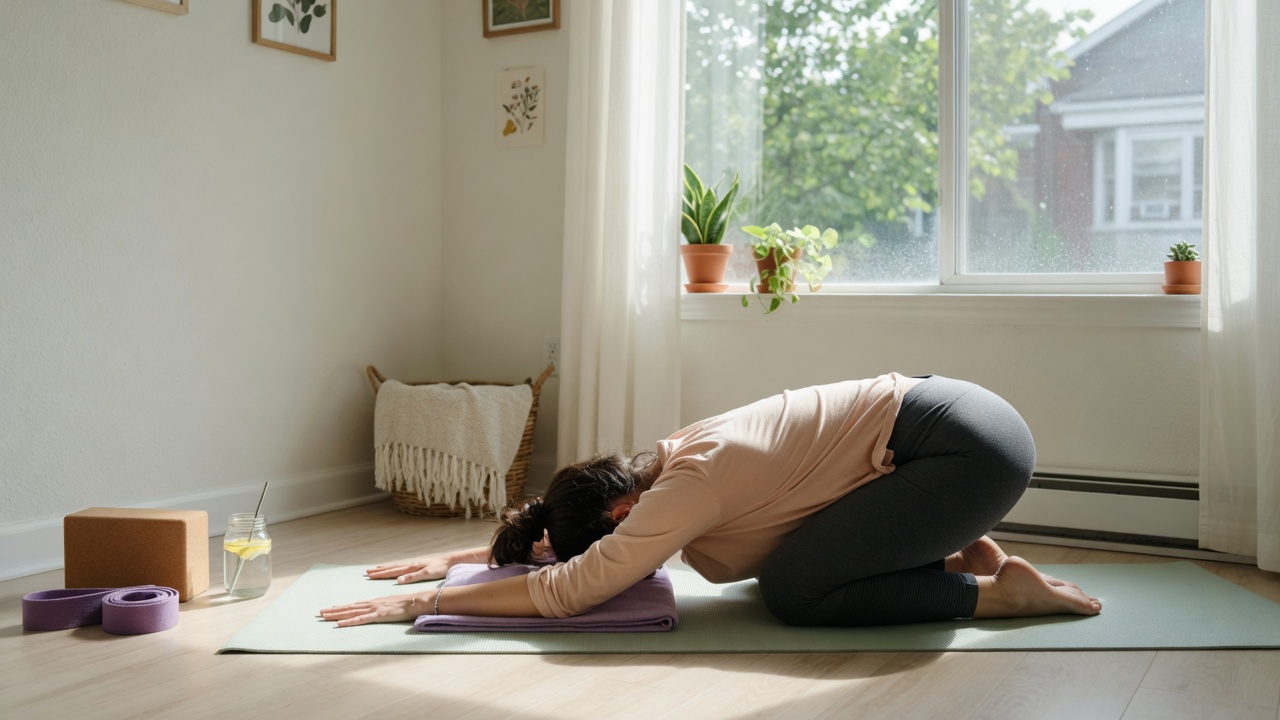
Yoga’s older roots are philosophical and physical traditions from India. What most people mean on a Wednesday night after work is simpler: move joints through ranges desks deny them, build some strength, and breathe like you mean it for an hour. Both histories can be true without pretending a local vinyasa class is identical to classical study.
The celebrity era sold yoga as a body shape and a personality. Useful teachers sell it as a practice you can still do when life is messy—when knees complain, hips are stiff, and the inbox did not care about your wellness goals.
What yoga is good for (and what it is not)
Done sensibly, yoga can improve mobility, balance, body awareness, and stress recovery. It can build strength, especially in holds and slower sequences. It is not a complete strength programme for most people, and it is not a cure-all for injury, anxiety, or back pain. Treat it as one tool beside walking, sleep, and progressive resistance work.
Marketing will promise transformation in six weeks. Longevity thinking prefers the quieter question: will you still be practising in six months without hating your joints?
A realistic week for people with jobs
- Two or three sessions beat one monthly hero class that leaves you sore and guilty
- Props are not cheating — blocks, straps, and chairs are how average hips and shoulders survive
- Sharp joint pain is a stop sign, not a badge of effort
- Online video helps if you already know your limits; beginners benefit from live eyes on form
- Ten honest minutes at home still count on travel weeks
Consistency beats intensity. The nervous system and the tissues both respond better to regular, moderate work than to sporadic extremes.
Knees, backs, and the ego on the next mat
Most “yoga injuries” are load-management failures with Sanskrit branding: too much, too soon, too deep, too often. If knees or shoulders complain after class, reduce depth and volume for two weeks and ask a teacher to watch your alignment in load-bearing shapes. Modifications are intelligence, not failure.
Leave one piece of intensity in the bag each session. Strength holds and balance work age better than endless flow-for-calorie-burn. If your only cue is “go harder,” find a quieter room.
The breath cue that still earns its keep
If you only take one practice cue: lengthen the exhale when the mind revs. That is basic nervous-system hygiene dressed in older clothing. Pair it with walking and decent sleep, and you have a longevity stack that does not require incense—or forgiveness from your knees.
Yoga will not replace medical care. Acute injury, unexplained pain, dizziness, or conditions that change what is safe for you belong with a clinician. A good class adapts; it does not argue with your body.
Bottom line
Practice for the life you actually have: limited time, real joints, and a brain that needs an off-ramp. Show up often enough to get bored of the basics. That boredom is where durability lives.
Note. Educational wellbeing content—not medical advice. For pain or injury, see a qualified professional.