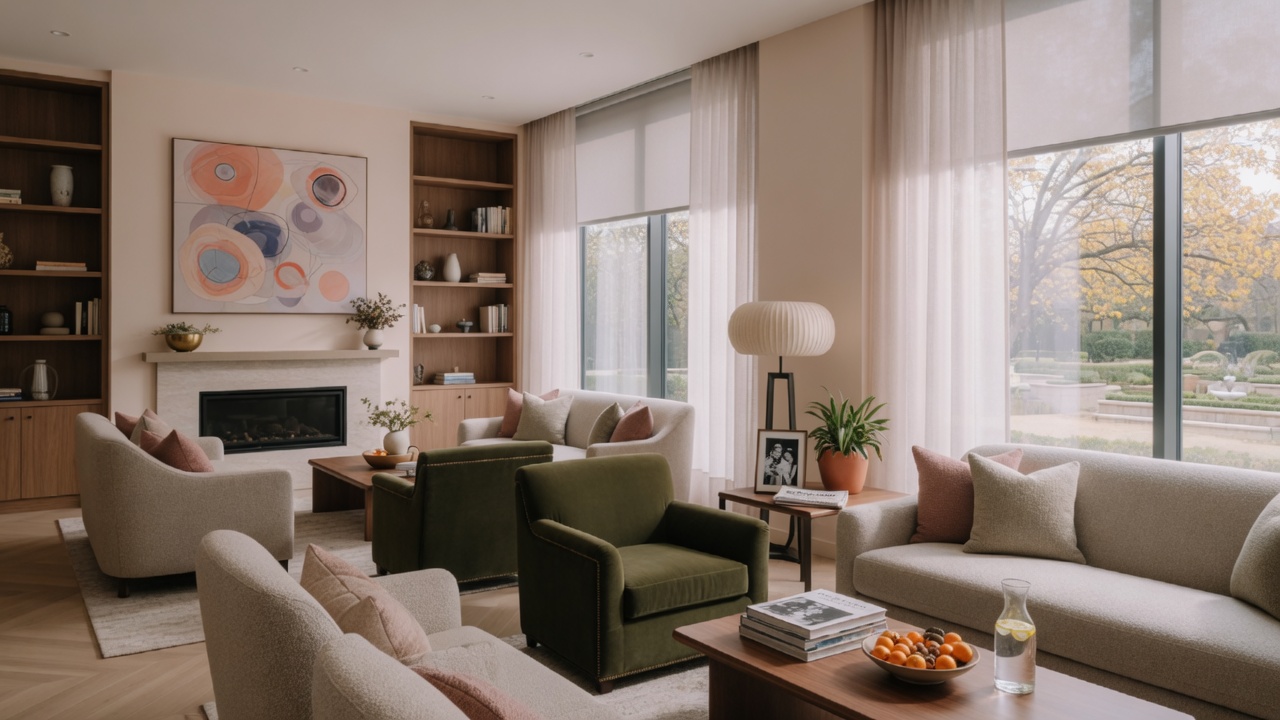
Aging in place is a preference and a housing-market fact. Most people want to stay home; most homes were not built for frailty, cognitive decline, or wheelchair turning radii. Senior living operators, home-modification contractors, sensor companies, and robotics startups are converging on that gap. The capital base is enormous because residential and healthcare real estate are already multi-trillion global asset classes learning a new brief: longevity-compatible living.
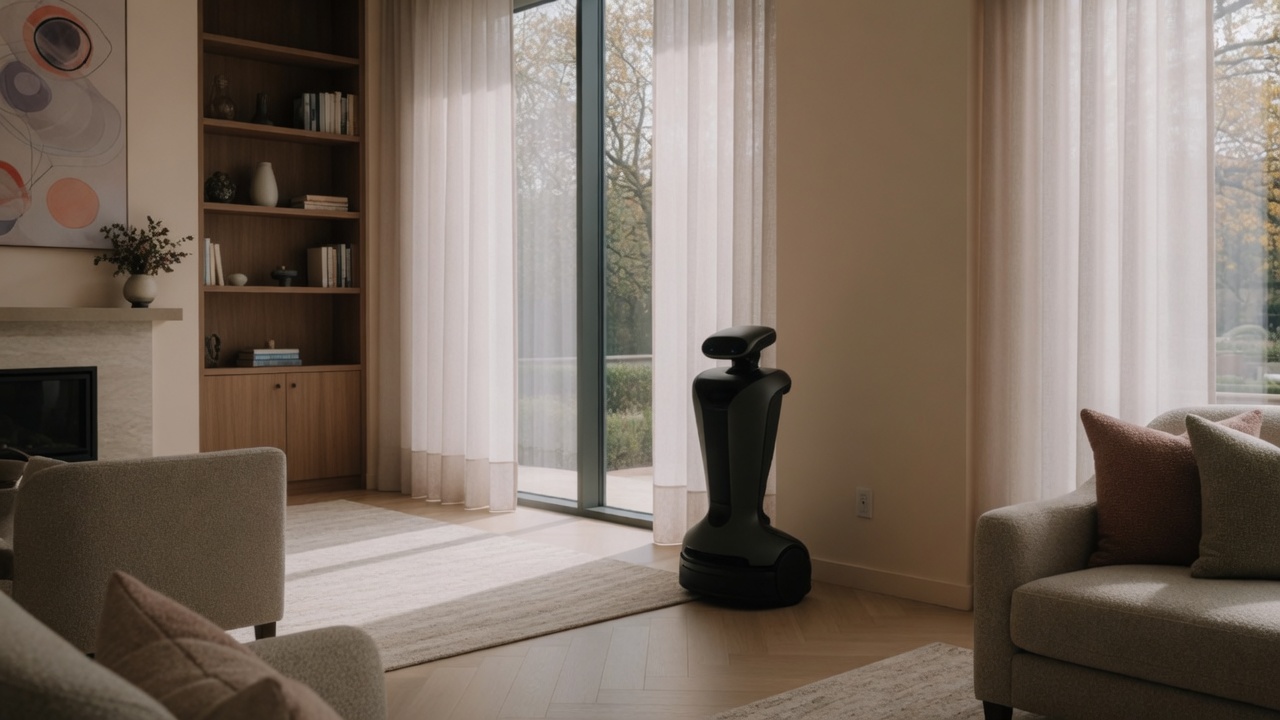
Robotics in this context is less Hollywood android and more mobile logistics, lifting assistance, cleaning, medication delivery in facilities, and social robots with still-debated benefits. AI navigation, computer vision for falls, and natural-language interfaces lower the skill barrier. Reliability and cost per task decide adoption—not a demo that works once on stage.
- Retrofit markets for existing housing stock
- Facility OPEX reduction without degrading human contact
- Safety certification and liability frameworks
- Workforce acceptance—tools for carers, not spy systems
The multi-trillion story compounds when better housing and assistive tech delay institutional care, keep people consuming in communities, and free formal carers for higher-skill tasks. Failures will look like abandoned gadgets and lonely automated rooms. Success will look boring: fewer falls, better nights for families, staff who stay in the profession. Independent News for Longevity prefers boring success.
Zoom out and the pattern across the AI-and-longevity economy is consistent: tools compress discovery and coordination costs, while societies still pay for care, trust, and labour. Home robotics and senior living are a real-estate-meets-AI stack sits inside that pattern. Operators who obsess only over model demos will miss the slower work of regulation, distribution, and human adoption. Operators who ignore AI will miss cost curves that competitors ride.
For capital allocators, diversification across enabling infrastructure and clinical proof points usually beats a single miraculous narrative. For policymakers, skills, standards, and public research remain force multipliers no startup replaces. For individuals, the useful stance is practical curiosity—track evidence, protect your own health basics, and treat trillion-dollar forecasts as maps of attention, not promises of personal immortality.
Independent News for Longevity will keep covering this sector with that dual lens: respect for real science and markets, impatience with empty grandeur. The multi-trillion opportunity is large enough that it does not need exaggeration. It needs builders who can count, clinicians who can say no, and readers who can tell the difference.
Editorial note. Business and technology education for Independent News for Longevity. Not financial, medical, or investment advice. Verify primary sources before capital or care decisions.