Resilience
Entrepreneurs and economic resilience
When large firms retrench, smaller companies often fill the gaps—and founder wellbeing shapes how long that recovery lasts.
Multi-trillion opportunities at the intersection of artificial intelligence and the longevity economy— drugs, diagnostics, care systems, capital, climate-health, and the operators who turn science into infrastructure.
When large firms retrench, smaller companies often fill the gaps—and founder wellbeing shapes how long that recovery lasts.
The money is not in prettier slides. It is in shrinking the decade between molecule and medicine—if trials and manufacturing keep up.
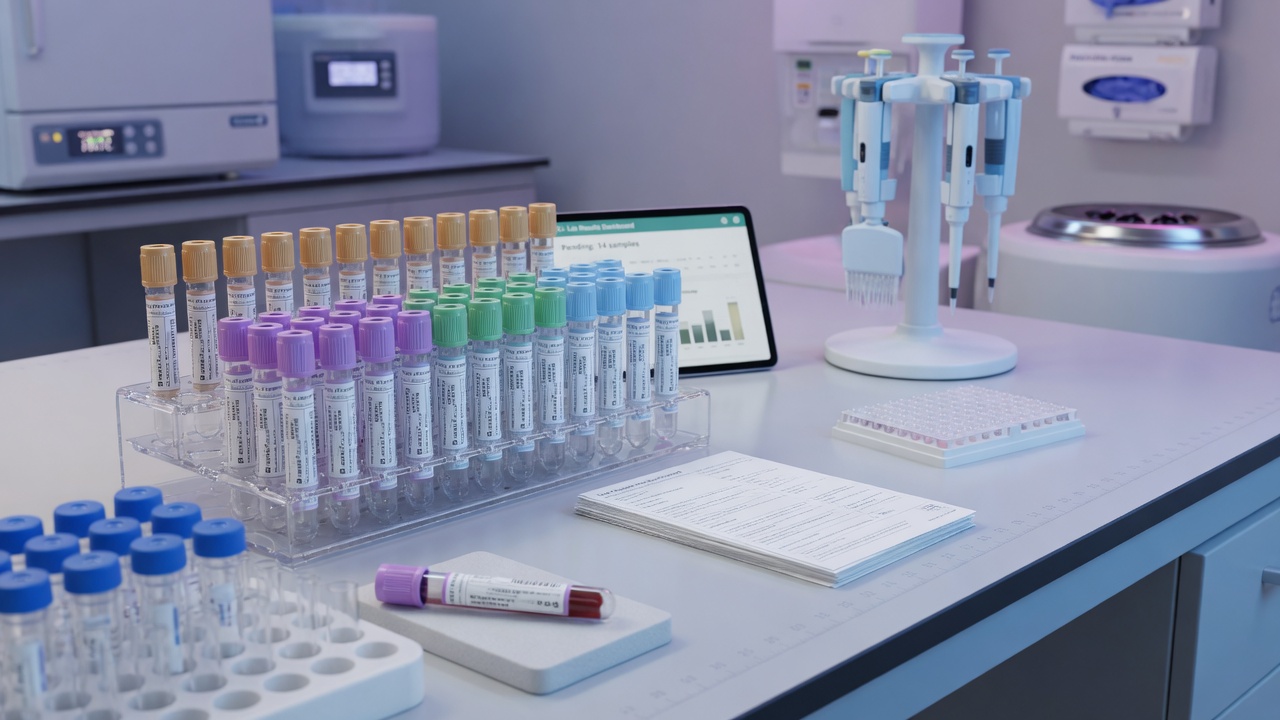
Blood panels, memberships, and optimisation packages are building a retail layer on top of aging science—some rigorous, some theatre.
Multi-cancer tests, imaging AI, and at-home sampling race to pull disease left on the timeline—where treatment is cheaper and lives are longer.
Wearables, patches, and home devices generate streams of data. The money is in signal quality, clinical action, and trust—not step-count vanity.
Robotics, logistics, housing design, and workforce tools for societies that are getting older faster than their care systems can hire.
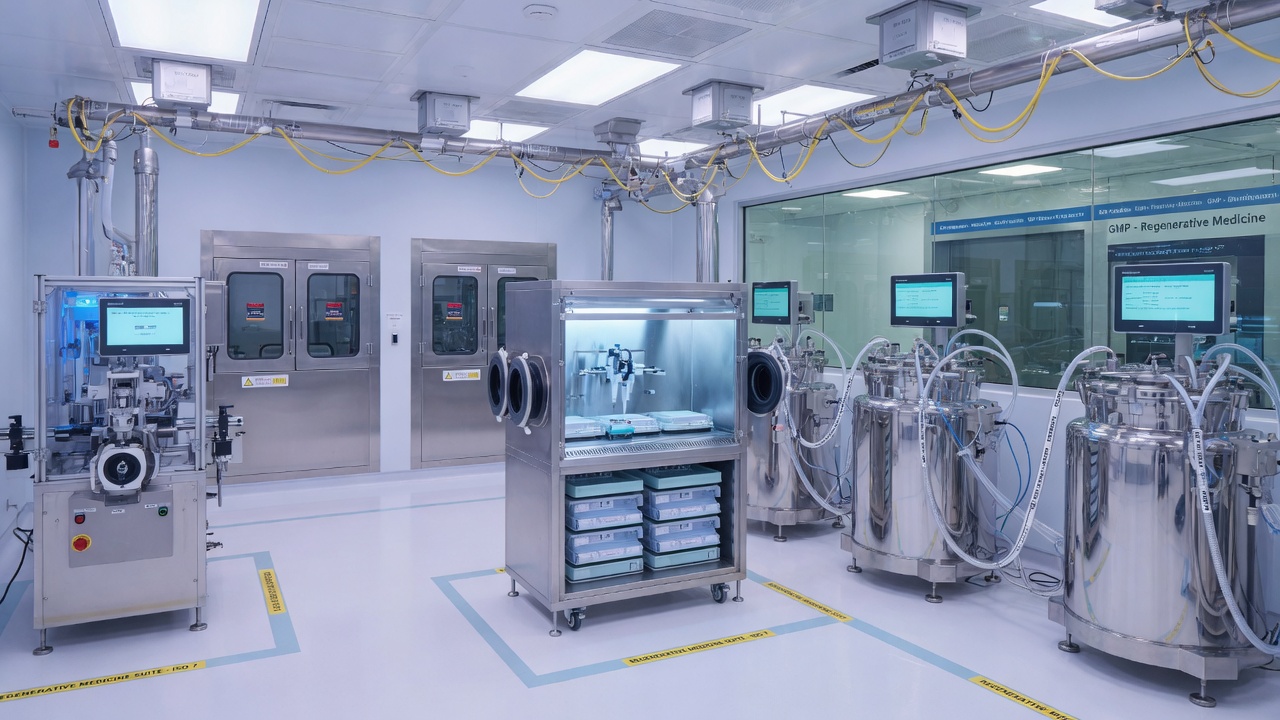
Cell therapies, tissue engineering, and repair biology promise rebuilt function. Scale, cost, and evidence decide whether it becomes a mass market.
One-time treatments, durable value arguments, and delivery science are rewriting how payers and biotech think about price.
Documentation, imaging, operations, and decision support are where health systems will spend—because labour is scarce and errors are costly.
Personalised food, CGM culture, and AI meal coaching chase the daily behaviours that still dominate healthspan.
Employers are rediscovering that healthspan is a productivity asset—and vendors are lining up to sell the stack.
Underwriting, prevention incentives, and AI risk models are rewriting life, health, and retirement products for a longer century.
From fall response to logistics robots in care homes, machines enter the places where aging actually happens.
Dementia costs, cognitive performance markets, and neurotech are pulling mental longevity into the centre of the longevity economy.
Egg freezing, IVF innovation, male fertility, and menopause care sit beside aging science—and AI is already inside the lab.
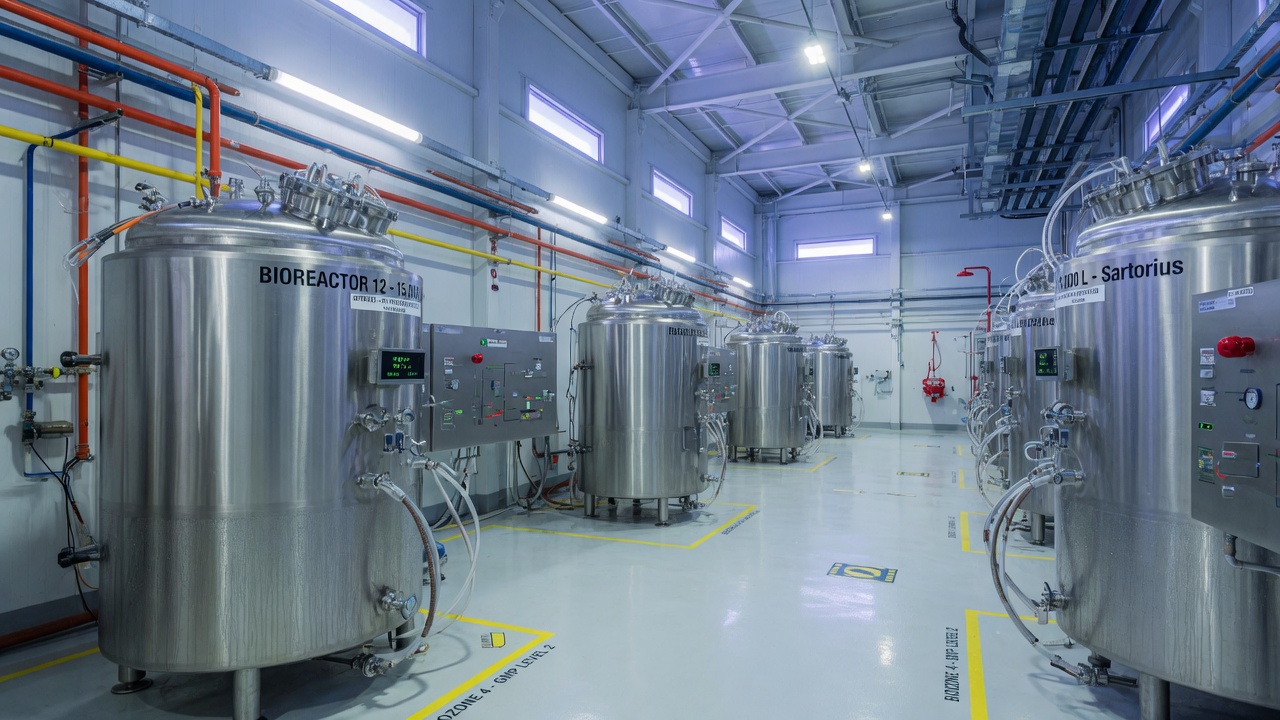
Without factories, quality systems, and trained operators, advanced therapies remain slideware.
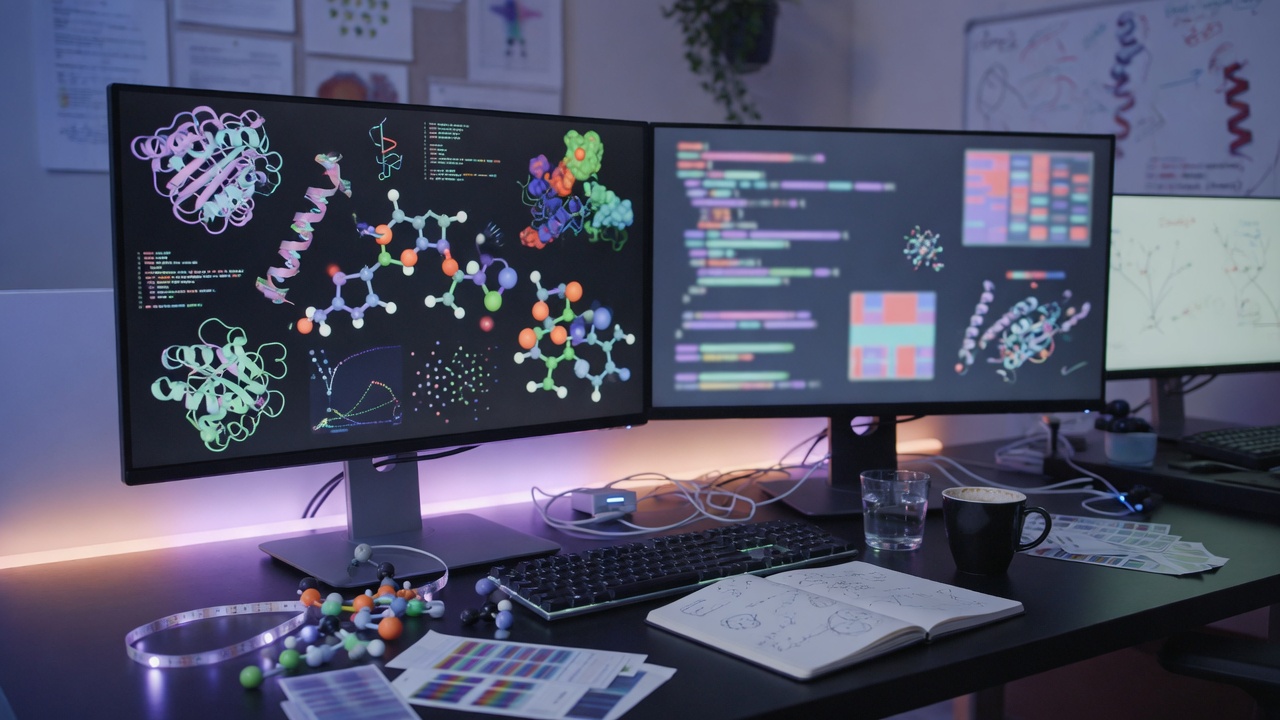
Foundation models for molecules, cells, and literature are turning biology into a software-edged industry.
Venture, public biotech, sovereign funds, and family offices are building a financing stack for longer lives—discipline optional, unfortunately.
Interoperability, privacy, labelling, and secure compute decide whether medical AI is a demo or a utility.
Scale, speed of aging, and rising health spend make Asian markets decisive for AI-health and longevity business models.
Heat, air quality, infectious shifts, and supply-chain shocks are health-market drivers—not only environmental headlines.