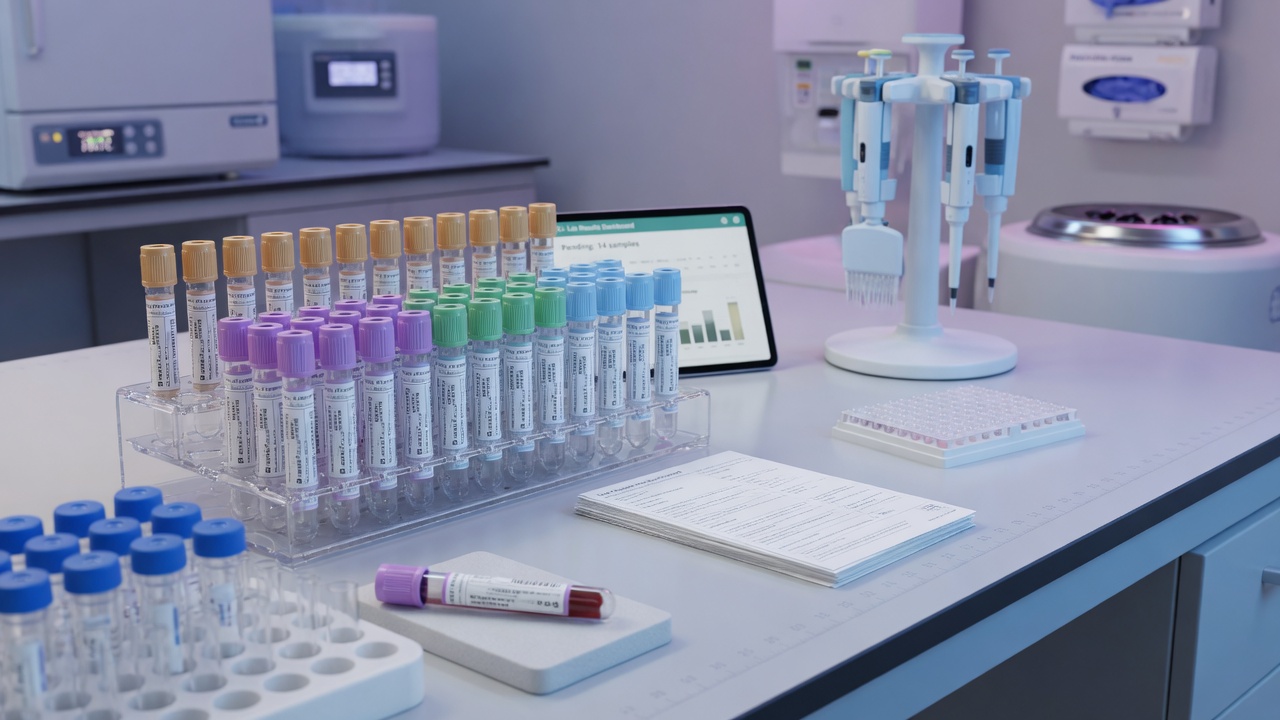
Healthcare systems spend fortunes on late disease. That is not a moral failing alone; it is an information problem. By the time symptoms force action, options narrow and costs spike. Early detection—blood-based multi-cancer signals, AI-read imaging, continuous biomarkers, genomic risk stratification—tries to move the confrontation earlier. If it works at scale, the economic claim is enormous: fewer emergency presentations, more treatable stages, longer working lives, and healthspan that shows up in GDP as well as in birthday candles.
Markets already price pieces of this future. Imaging AI vendors sell workflow speed and miss reduction. Liquid biopsy companies chase screening indications that could dwarf their current therapy-selection revenue. Consumer genomics normalised the idea of risk scores at home. Stack those categories with central labs, reagents, and software subscriptions and you are looking at a global diagnostics complex measured in many hundreds of billions today, with longevity-oriented screening as a growth narrative layered on top.
The trap: tests without pathways
A positive signal without a clear, affordable next step is anxiety with a barcode. False positives burn capacity. False negatives create false safety. Regulators know this; so do payers. The multi-trillion story only compounds when detection is paired with access to confirmatory testing, specialists, and treatment. AI helps prioritise worklists and standardise reads, but health-system design decides whether a breakthrough remains boutique.
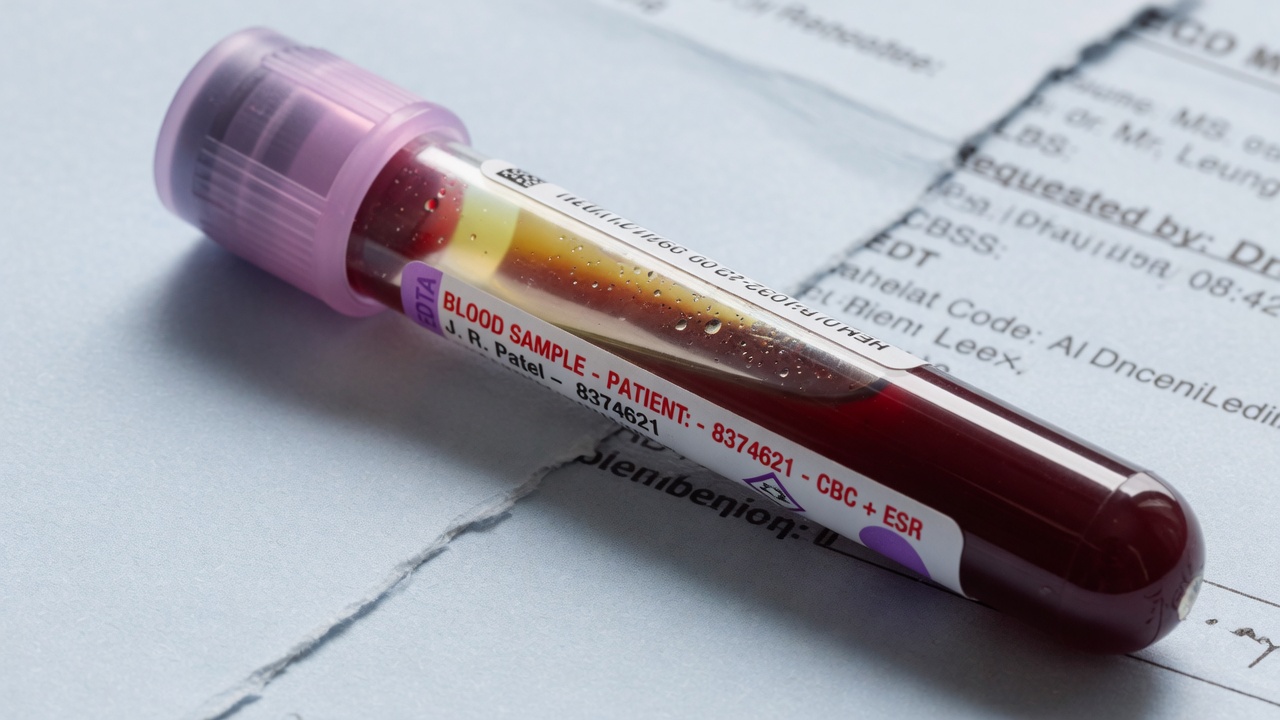
For investors and operators, the durable questions are operational: analytical validity, clinical validity, clinical utility, and cost per quality-adjusted outcome. For patients, the questions are human: who explains the result, who pays, and what changes on Monday. Longevity marketing that skips those questions is entertainment.
- Population screening economics — price, sensitivity, specificity, and follow-up burden must work for public systems, not only private clients.
- Data flywheels — models improve with carefully governed real-world evidence.
- Equity — if only the rich screen early, longevity gaps widen and politics eventually intervenes.
- Integration — EHR interoperability and primary-care workflows are unsexy moats.
New Zealand and similar systems face a double bind: strong public ethos, limited specialist capacity. Tools that reduce pointless referrals while catching true risk are gold. Tools that flood clinics with ambiguous alerts are a tax on everyone. Early detection sits at the intersection of AI competence and longevity ambition. It is one of the few places where “live longer” and “spend smarter” can be the same sentence—if evidence, not hype, runs the product roadmap.
Zoom out and the pattern across the AI-and-longevity economy is consistent: tools compress discovery and coordination costs, while societies still pay for care, trust, and labour. Early detection is where AI and longevity share a balance sheet sits inside that pattern. Operators who obsess only over model demos will miss the slower work of regulation, distribution, and human adoption. Operators who ignore AI will miss cost curves that competitors ride.
For capital allocators, diversification across enabling infrastructure and clinical proof points usually beats a single miraculous narrative. For policymakers, skills, standards, and public research remain force multipliers no startup replaces. For individuals, the useful stance is practical curiosity—track evidence, protect your own health basics, and treat trillion-dollar forecasts as maps of attention, not promises of personal immortality.
Independent News for Longevity will keep covering this sector with that dual lens: respect for real science and markets, impatience with empty grandeur. The multi-trillion opportunity is large enough that it does not need exaggeration. It needs builders who can count, clinicians who can say no, and readers who can tell the difference.
Editorial note. Business and technology education for Independent News for Longevity. Not financial, medical, or investment advice. Verify primary sources before capital or care decisions.