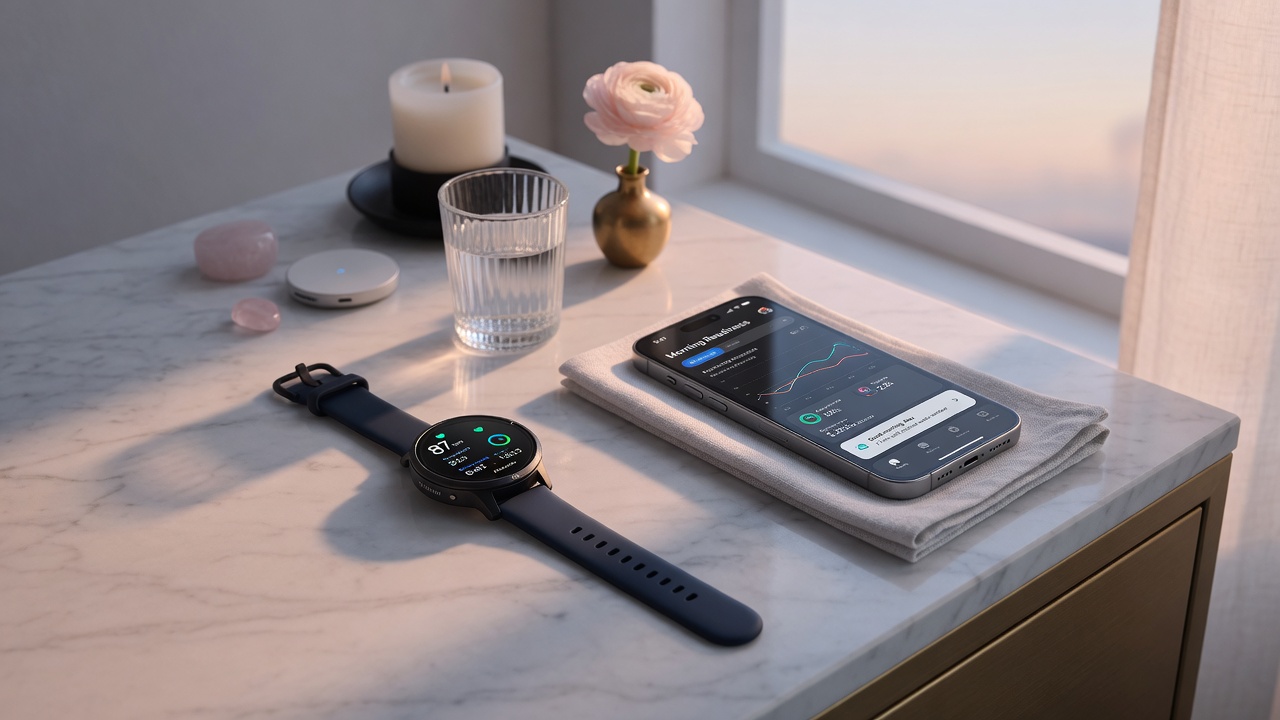
The first generation of wearables sold motivation and novelty. The next generation sells risk reduction and remote care capacity. Heart rhythm alerts, overnight oxygen patterns, continuous glucose debates, blood-pressure cuffs that sync, smart scales, sleep staging, temperature baselines—each stream looks small until you multiply by hundreds of millions of devices and years of subscription software. Add hospital-at-home programmes and employer platforms and you approach a structural shift: health data as a continuous feed rather than an annual snapshot.
That shift is multi-trillion adjacent because it touches chronic disease management, the largest cost bucket in aging societies. AI is the compression layer—spotting anomalies, reducing false alarms, coaching behaviour, and drafting clinician summaries. Without models, the data drowns humans. With careless models, the data harasses humans. The commercial prize goes to teams that earn the right to interrupt your day.
Business models that survive the drawer
Hardware margins compress. Recurring software and services do not—if retention holds. Clinical partnerships, reimbursement codes, and validated algorithms separate toys from infrastructure. Privacy and cybersecurity are not compliance theatre; a breach of continuous biometric data is a company-ending event and a public-health trust wound.
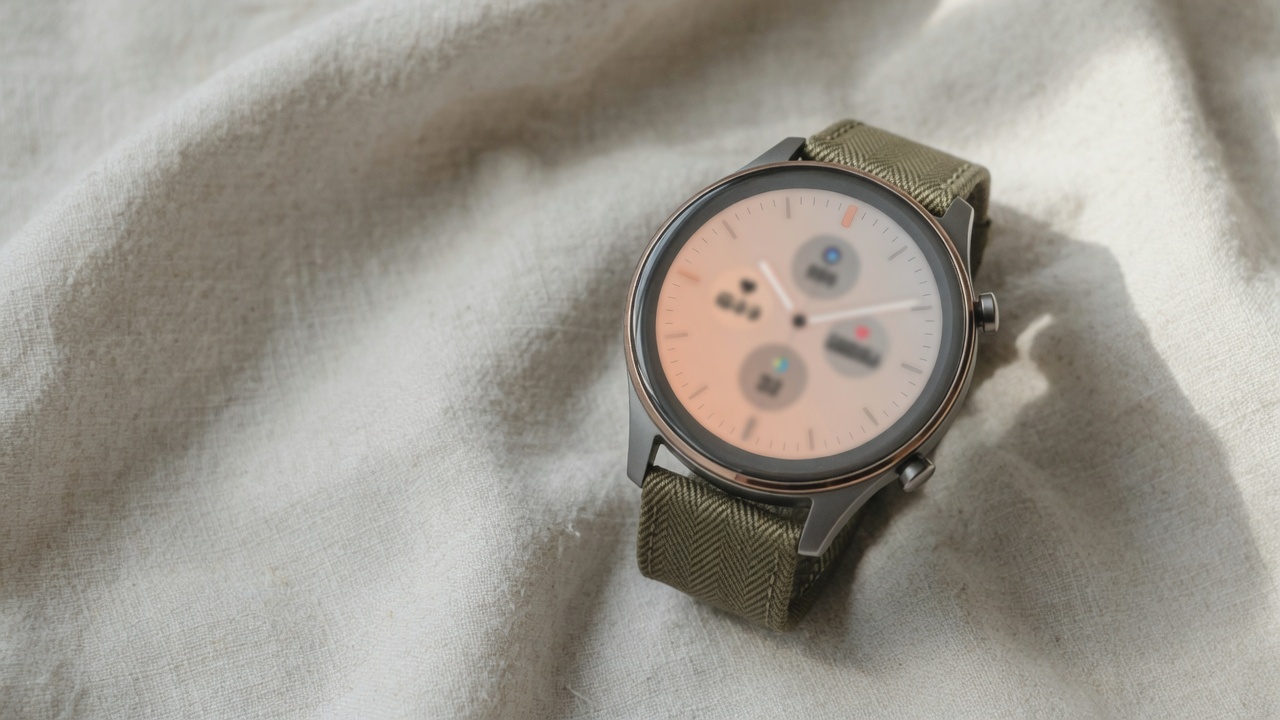
Longevity culture loves personal dashboards. Economies care about fewer heart-failure decompensations, better hypertension control, earlier infection detection in the elderly, and safer post-operative recovery at home. Align those incentives and monitoring becomes infrastructure. Misalign them and you get another abandoned wristband in a beach-house drawer.
- Regulatory clearance pathways for medical claims
- Integration with clinicians who can prescribe and follow up
- Battery life, comfort, and inclusive design across ages and skin tones
- Transparent evidence for any longevity score product
For smaller innovators, niches matter: fall detection done well, caregiver dashboards for dementia, rural remote monitoring where travel is the real cost. Global platform giants will own general-purpose sensors; specialists can own workflows. Continuous monitoring is how the longevity economy gets a pulse in real time. Treat it as a care system with sensors attached, not as a gadget category with medical cosplay, and the multi-decade revenue story becomes believable.
Zoom out and the pattern across the AI-and-longevity economy is consistent: tools compress discovery and coordination costs, while societies still pay for care, trust, and labour. Continuous monitoring turns the body into a high-frequency market sits inside that pattern. Operators who obsess only over model demos will miss the slower work of regulation, distribution, and human adoption. Operators who ignore AI will miss cost curves that competitors ride.
For capital allocators, diversification across enabling infrastructure and clinical proof points usually beats a single miraculous narrative. For policymakers, skills, standards, and public research remain force multipliers no startup replaces. For individuals, the useful stance is practical curiosity—track evidence, protect your own health basics, and treat trillion-dollar forecasts as maps of attention, not promises of personal immortality.
Independent News for Longevity will keep covering this sector with that dual lens: respect for real science and markets, impatience with empty grandeur. The multi-trillion opportunity is large enough that it does not need exaggeration. It needs builders who can count, clinicians who can say no, and readers who can tell the difference.
Editorial note. Business and technology education for Independent News for Longevity. Not financial, medical, or investment advice. Verify primary sources before capital or care decisions.