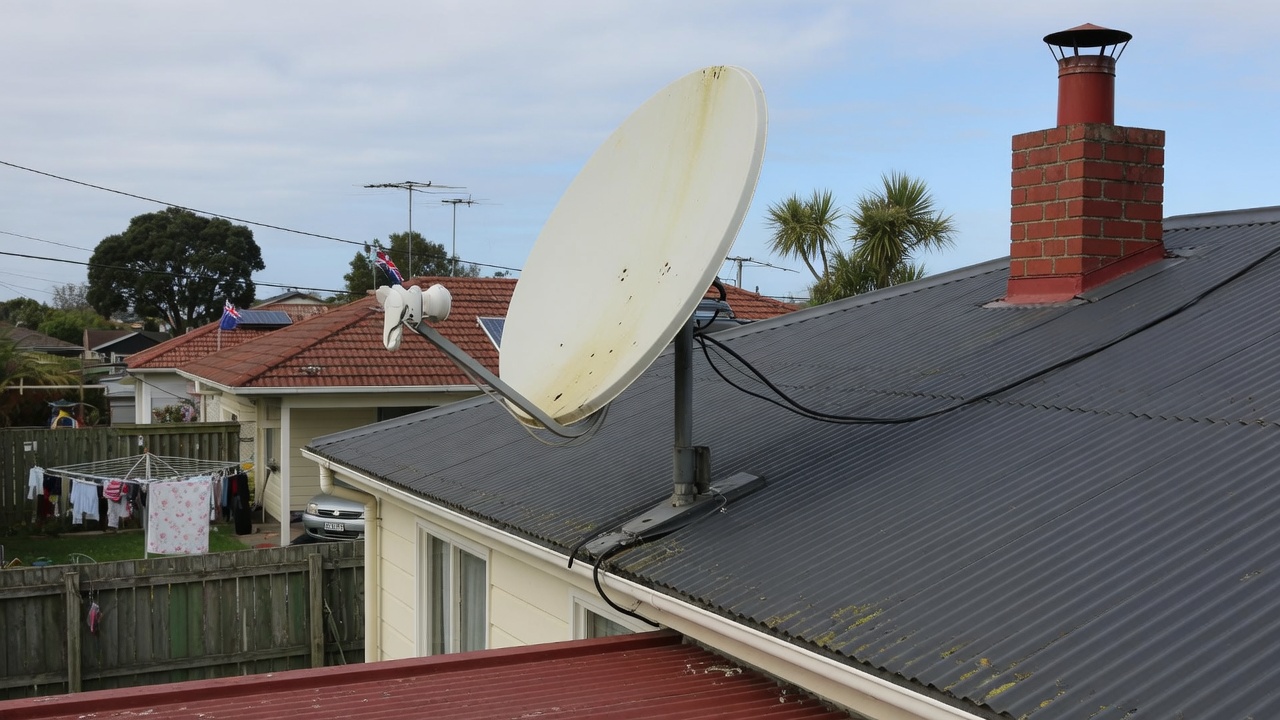
For years, Sky meant the big games and a monthly bill. In 2005 it moved to buy free-to-air Prime Television for around NZ$30 million; clearance from the Commerce Commission followed in early 2006. The industrial logic was plain: a free channel as a shop window and a home for delayed sport, while the pay platform kept the premium live edge.
Whether you liked the company or not, the deal showed how concentrated attention markets invite regulatory eyes. It also showed how sport remains the battering ram of media strategy in this country.
Streaming fractured the bundle. Rights still cost blood. Households still decide with a remote and a budget. The business lesson travels: own distinctive content or own a distribution habit—ideally both—and never confuse a temporary technology lead with a permanent moat.
What households learned

Pay TV taught a generation to budget for live sport. Streaming taught them to juggle logins. The constant is scarcity of the moments people refuse to miss. Whoever controls those moments still has leverage—until the next distribution shift. History does not repeat cleanly, but it rhymes enough to punish complacency.
Reading this with a clear head
If this topic matters to your care, bring it to a qualified professional who knows your history. Editorial context is not a diagnosis, a prescription, or financial advice.