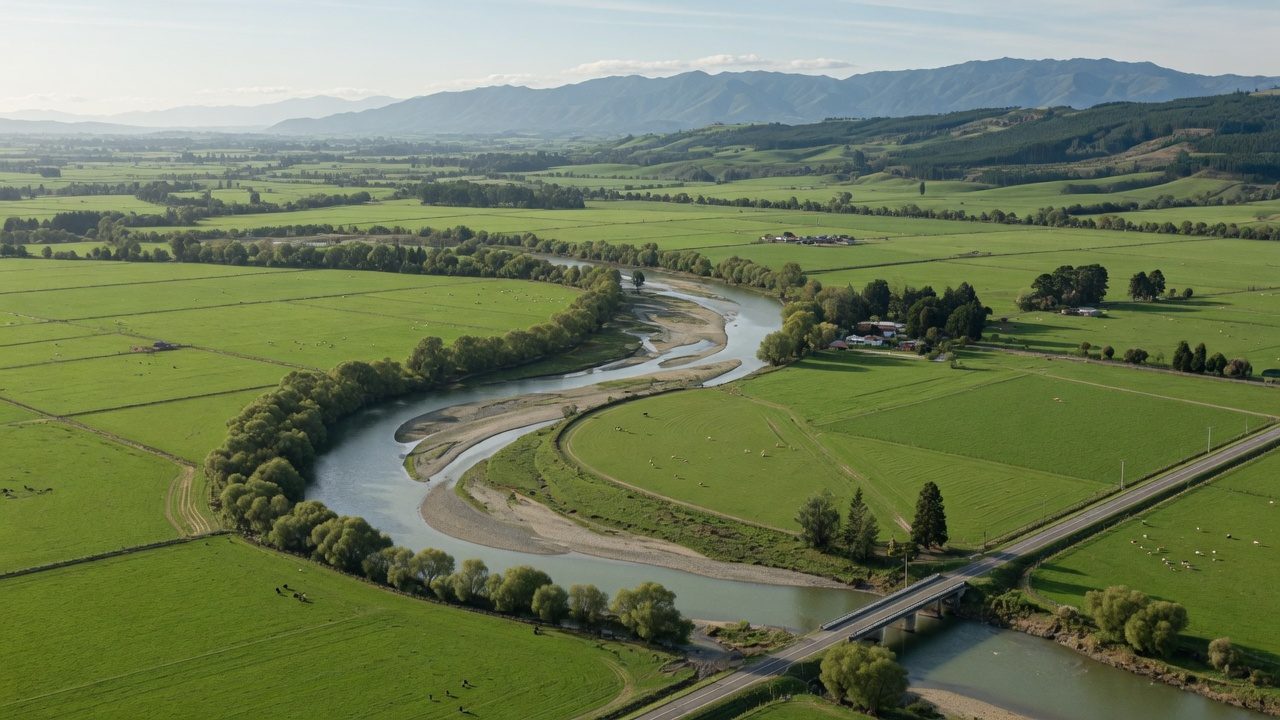
The Manawatū sits in the country’s middle with river plains, research and training institutions, and a logistics logic that still matters when trucks and trains do the quiet heavy lifting. Older business pages here waved a regional flag. This version asks a sharper question: what keeps a place liveable for decades, not just marketable for a campaign?
- Pathways from training into real payrolls
- Employers who invest in people through cycles
- Sport and clubs that give teenagers somewhere to be
- Housing that workers can actually rent
If those four fray, lifestyle billboards will not save the town. If they hold, longevity—of community, not just individuals—has a fighting chance.
What visitors miss
Drive-through impressions of the plains under-sell the research and training footprint. Universities, polytechnic pathways, and agritech work sit beside farms that still set the daily weather conversation. A region is healthier when those worlds talk to each other—internships, applied research, and jobs that do not require a one-way ticket to Auckland.
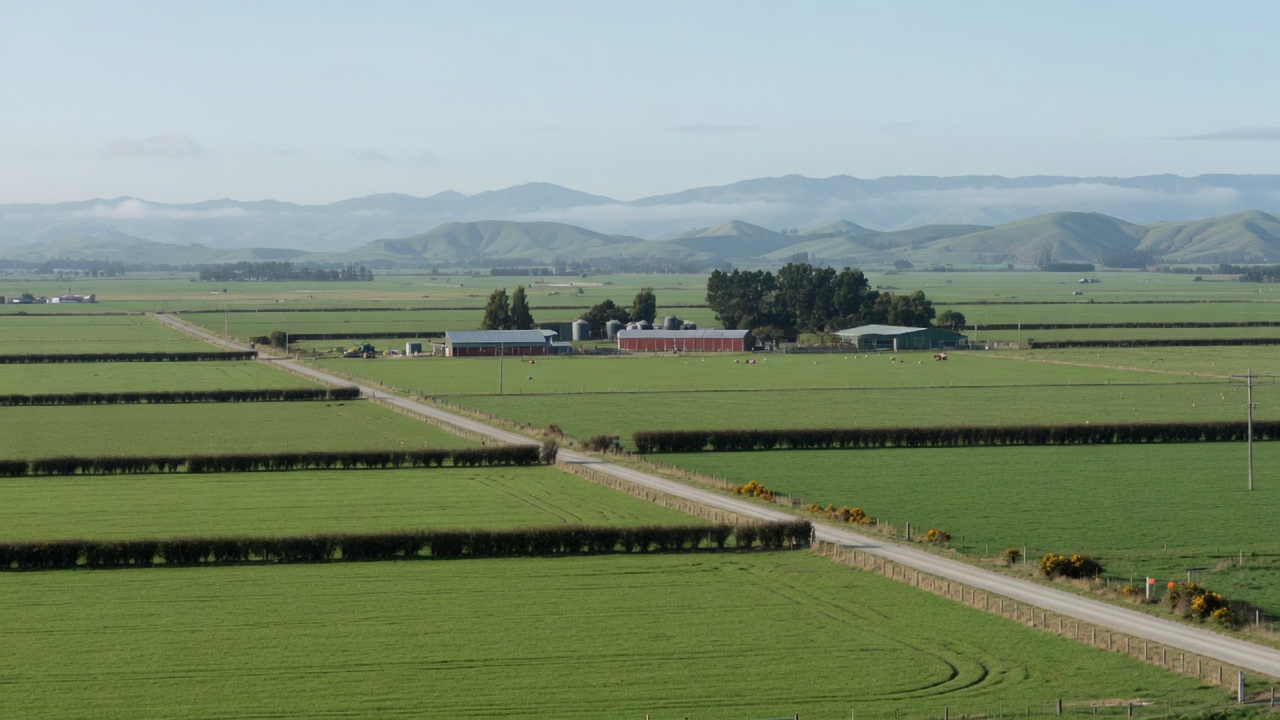
Longevity writing often focuses on individuals. Regions age too. When young workers leave and do not return, clubs thin out, GPs retire without replacements, and the remaining population carries more load with less help. That is a health story dressed as economics.
What works in practice is unglamorous: apprenticeships that stick, flexible shifts that let people care for kids and parents, transport that makes a night class realistic, and employers who treat retention as strategy rather than luck. Tourism campaigns are optional. Those foundations are not.
Reading this with a clear head
If this topic matters to your care, bring it to a qualified professional who knows your history. Editorial context is not a diagnosis, a prescription, or financial advice.
Why this page still earns a place
Keep watching the quiet indicators—school rolls, club memberships, clinic wait times—not only the glossy brochure. A place that can keep skilled people is a place that can keep people healthy longer, together.