Sky Media’s late-1980s founding story—Terry Jarvis, Craig Heatley, Trevor Farmer, Alan Gibbs and the early engineering bets—matters because it explains the company’s later instincts. This was never only “more TV channels.” It was scarce live moments, especially sport, delivered with enough reliability that paying felt rational.
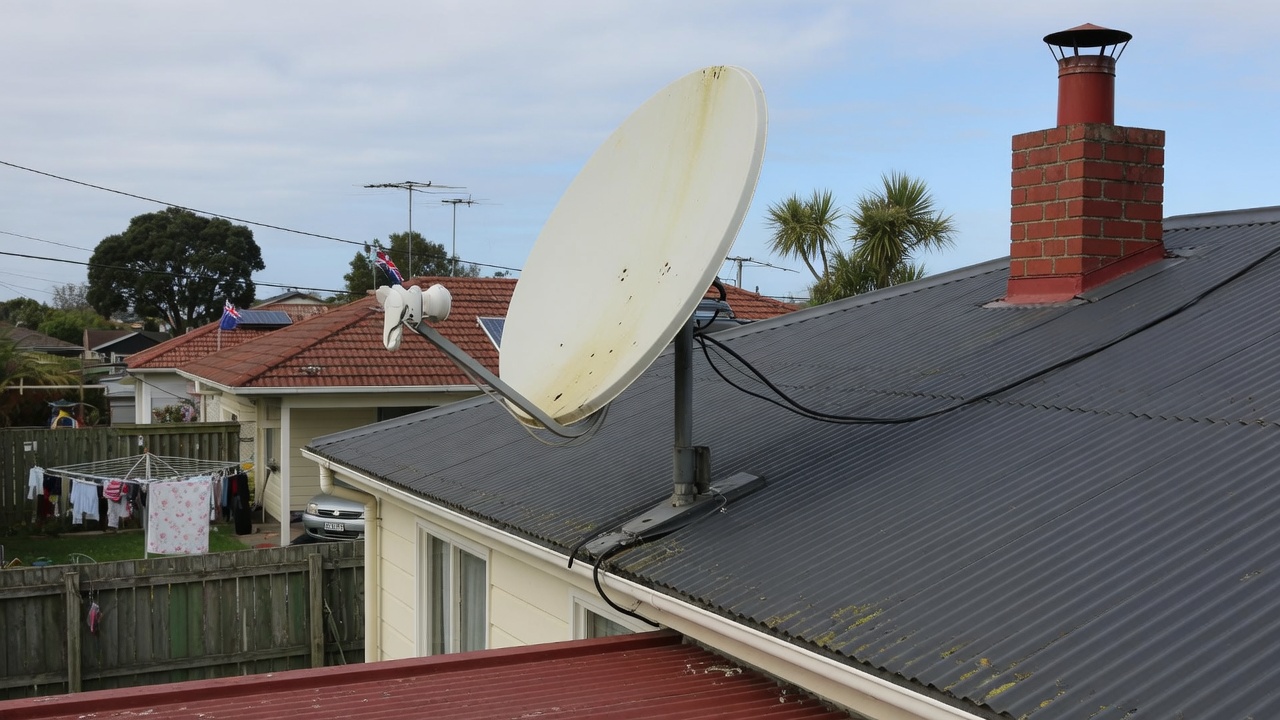
Early hardware was bulky. The business model got leaner as dishes shrank and packages simplified. Then streaming arrived and taught everyone new ways to churn. Rights inflation did not get kinder.
Founders outside media can still steal the lesson. If you only own a pipe, someone cheaper will rent the pipe. If you control rights, community, or trust, you have something to price. Just remember that scarcity has a half-life. The next technology is always training your customers to expect a different deal.
Rights, churn and the next pipe

Every distribution technology trains customers to expect a certain deal: monthly bills, bundles, ads, exclusivity windows. When a new pipe arrives, the old contract feels like an insult overnight. Companies that survive are the ones who re-earn the household remote instead of arguing about the past. Engineering heritage buys time. It does not buy forever.
Signal without the gloss
Broadcast empires change names and platforms; audiences still need trustworthy scheduling of attention. Origin stories matter less than whether the product respects viewers as citizens rather than only as inventory.
For a longevity-minded media diet, the question is constant: does this channel leave you better informed or merely more agitated? Choose accordingly.
Why this page still earns a place
Readers who want a single takeaway can use this: prefer actions you can repeat next month over stories that only raise your pulse for an afternoon. Independent News for Longevity is built for that slower kind of attention—science and habits that still matter when the feed has moved on.