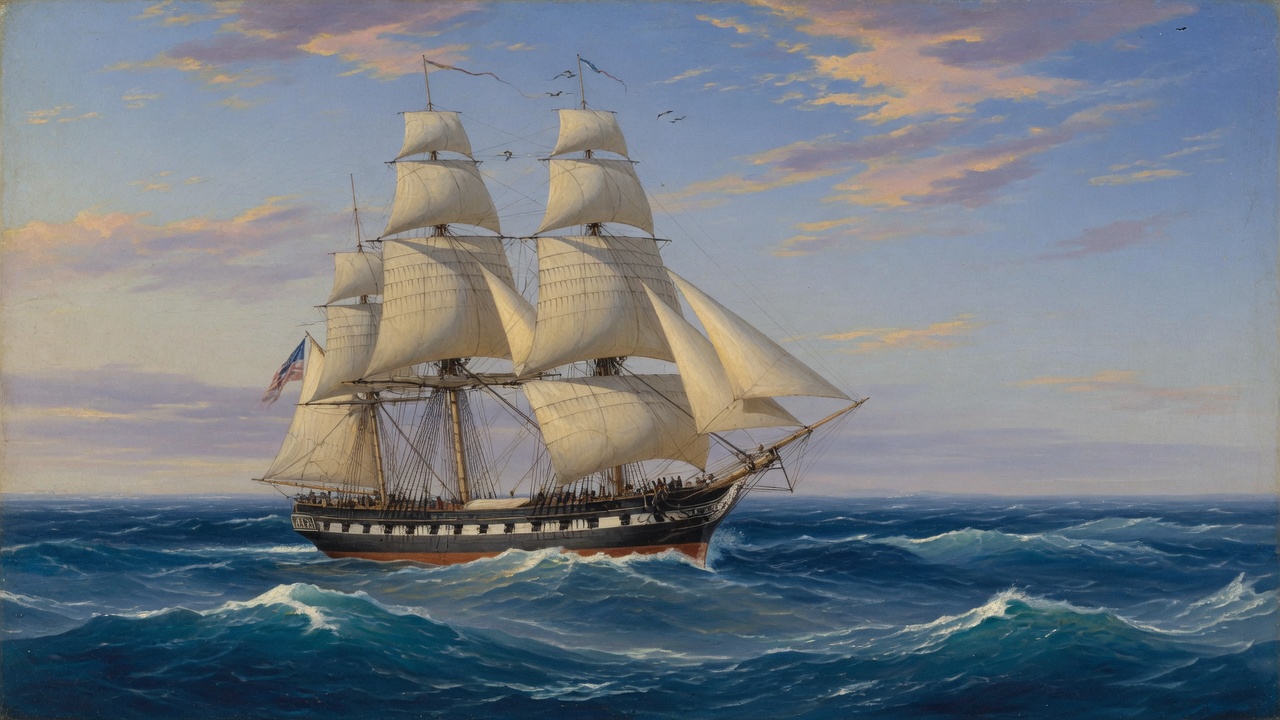
When Endeavour left England in August 1768 she carried sailors, officers, and civilians on a voyage that mixed astronomy, charting, and imperial curiosity. James Cook’s first Pacific expedition would enter New Zealand waters and leave maps, names, and consequences that still structure national argument.
The ship herself was a tough collier conversion—not a palace. That detail matters. So does the fact that Māori had long histories with these coasts before European sails showed up. Good history holds both the seamanship and the collision.
If you came via an old INL news link, you now have a straight brief: remarkable navigation, scientific ambitions, and a hinge episode in Aotearoa New Zealand’s later history—not a children’s adventure yarn and not a sermon.
How to read voyage stories well

European logs are detailed and partial. Māori oral and recorded histories carry other centres of gravity. Serious readers hold both rather than sanding the past into a single school-poster. Museums and replicas help with the ship as object; books and iwi sources help with people and consequences. Use more than one.
Why old voyages still sit in a longevity library
Exploration stories are really logistics, risk, and human endurance under constraint. Reading them carefully—who suffered, who was erased, what was learned—is practice for modern complexity, not cosplay for empire nostalgia.
Keep the seamanship lessons; question the mythmaking. History that still teaches is history that refuses to be only a statue.
Why this page still earns a place
Readers who want a single takeaway can use this: prefer actions you can repeat next month over stories that only raise your pulse for an afternoon. Independent News for Longevity is built for that slower kind of attention—science and habits that still matter when the feed has moved on.