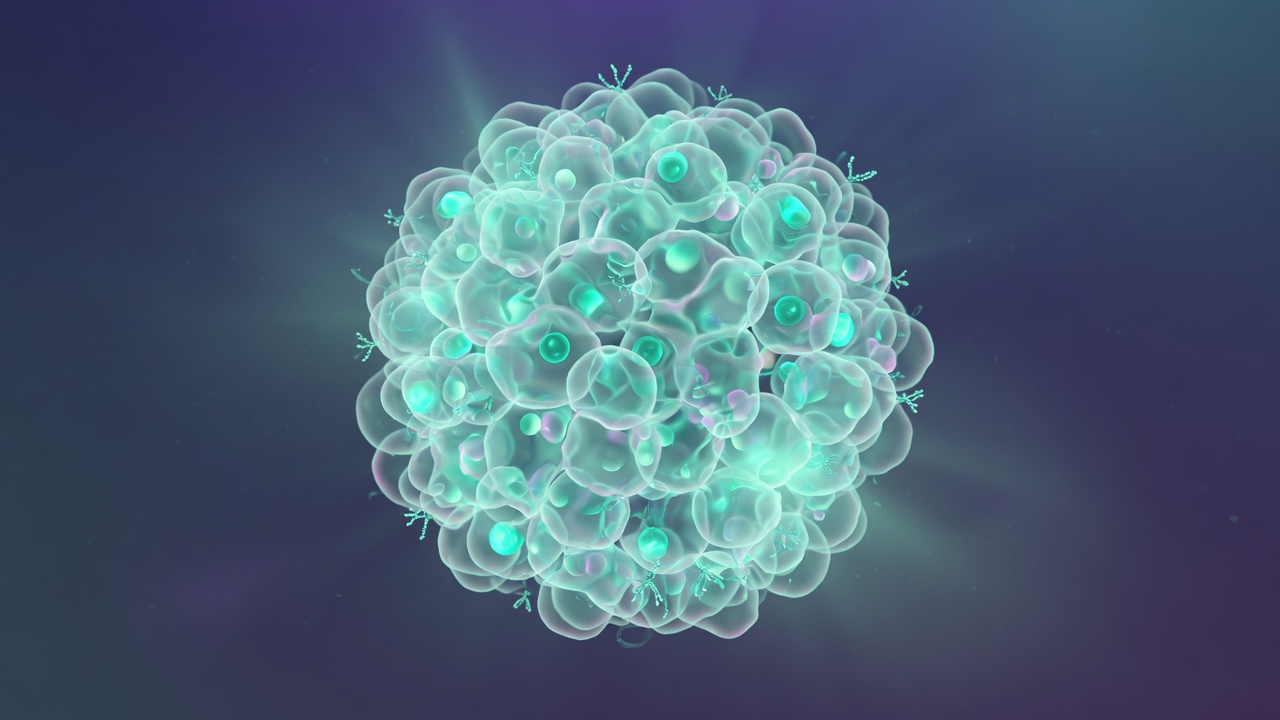
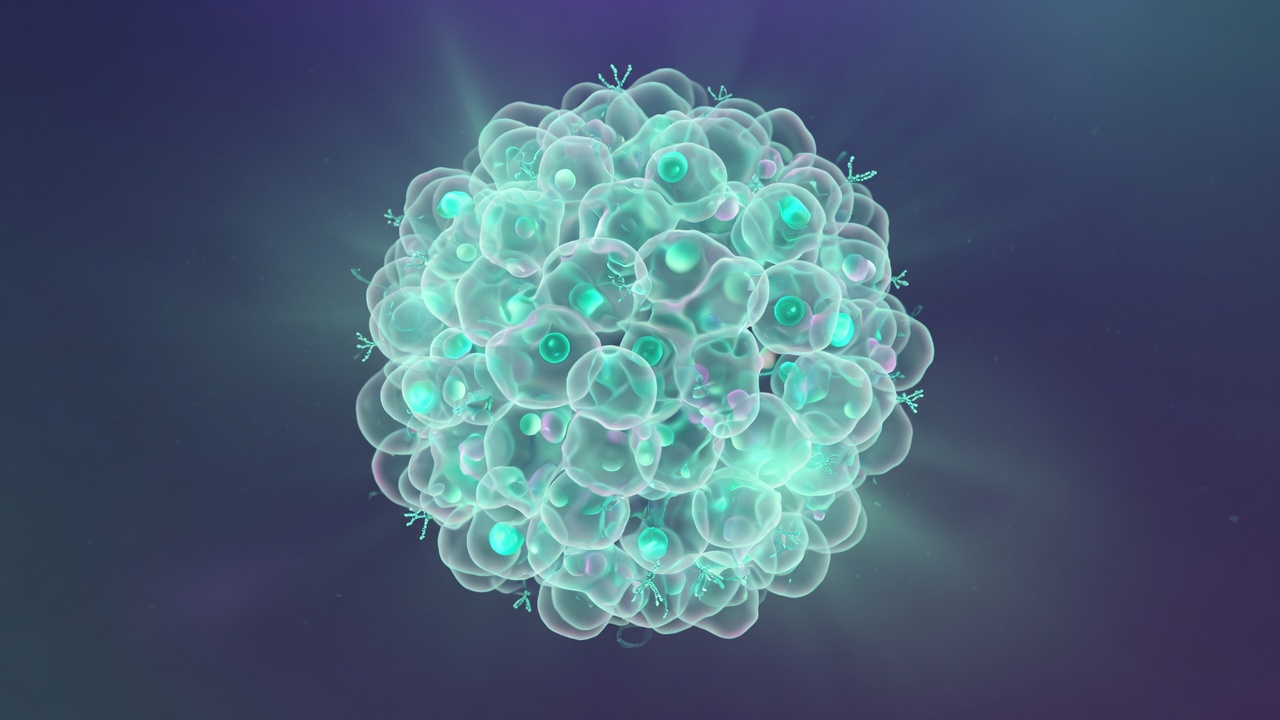
Organoids are tiny, simplified tissue structures grown from stem cells. They are not full organs. They are better approximations than a flat layer of identical cells for some questions—how a mutation behaves, how a drug hits a tissue, how development goes wrong.
For longevity and disease research, that matters because aging and degeneration are tissue-specific. A heart is not a liver is not a brain. Models that respect structure beat models that pretend everything is soup.
Limits are honest: no full immune system, no complete blood flow, incomplete aging context. Results still need animals and humans before anyone should change standard care.
AI pairs naturally here—imaging organoids, scoring phenotypes, suggesting experiments. Again: faster science, not automatic truth.
When you read “grown a mini-brain” headlines, translate to “useful model system.” Keep your awe. Lose the movie plot.
Ethics travel with the tech: donor consent, genetic privacy, and how closely a model must resemble a person before we treat results as destiny. Good labs publish limits. Hype accounts crop them out.
Funding agencies increasingly expect modern models alongside traditional ones. That shift will decide which aging hypotheses get tested next—and which quietly die in a drawer.
Better models, still not humans
Organoids and related systems can fail bad ideas earlier and reduce some animal use. They can also mislead if we forget missing immune systems, blood flow, and decades of aging context.
For longevity science, better models mean faster learning—not automatic translation to clinic. Keep that humility in the headline.
Keep your head while the field moves
Longevity science rewards patience. Prefer primary trials and careful explainers over certainty theatre. Use what changes your week—sleep, strength, screening conversations—while longer-horizon tools mature in public.
Independent News for Longevity will keep separating infrastructure from immortality marketing. That filter is how readers stay usefully informed without living in a permanent product launch.
Readers who want a single takeaway can use this: prefer actions you can repeat next month over stories that only raise your pulse for an afternoon. Independent News for Longevity is built for that slower kind of attention—science and habits that still matter when the feed has moved on.