In the late 2000s, New Zealand and other smaller markets increasingly looked offshore for optical media production—especially large replication runs—because unit costs could undercut local capacity. Asia, including major manufacturing hubs in China, became central to that story.
This directory URL (/nem/) historically covered that shift. We preserve it for
inbound links and restate the operational facts for Independent News for Longevity: cost savings
only count when quality, licensing, and master security hold.
Why buyers went global
- Lower unit pricing on high-volume replication
- Integrated print, packaging, and logistics options
- Access to industrial lines that smaller markets no longer operated at scale
For training libraries, software bundles, and entertainment catalogues, those economics mattered— especially when budgets tightened.
Where projects go wrong
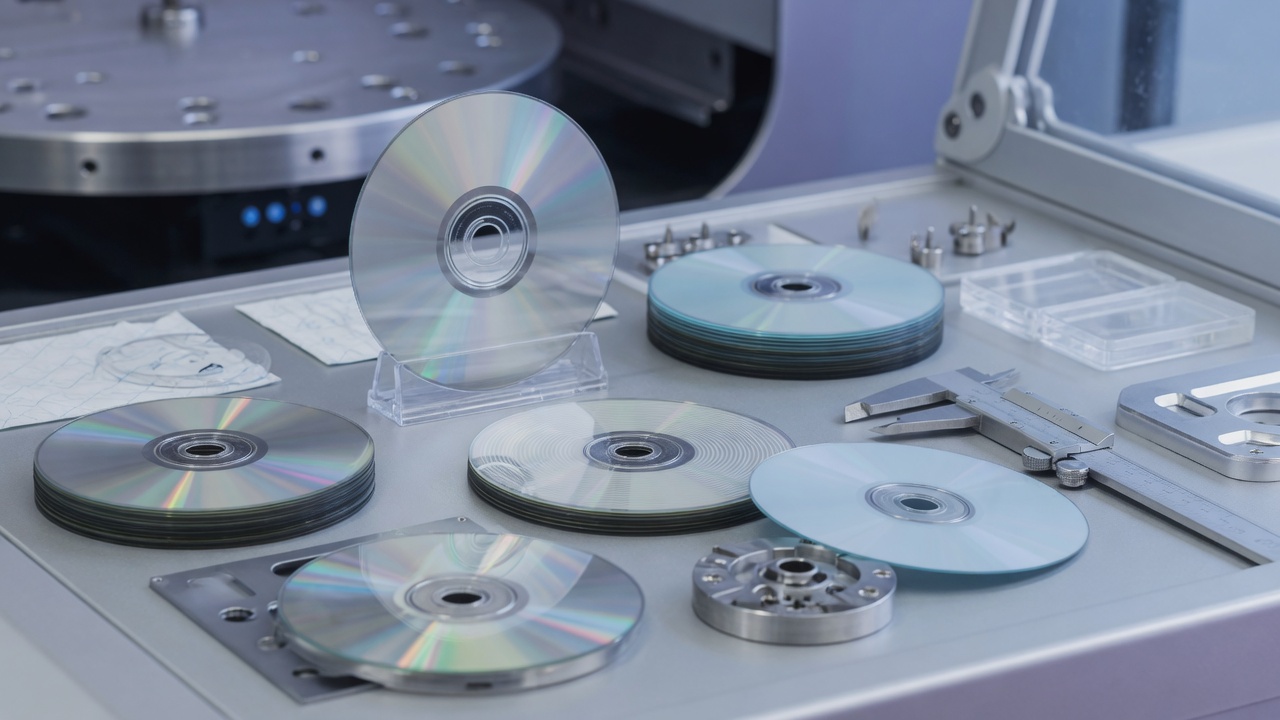
Not every plant is equal. Common failure modes reported across the industry include:
- Inconsistent quality — dust control, testing discipline, and player compatibility vary.
- Licensing gaps — commercial video formats sit inside patent and royalty systems; “cheap” can mean non-compliant.
- Master risk — source assets must be handled by parties you trust; piracy is a business-continuity issue.
- Communication lag — time zones and vague specifications create silent defects.
A practical buyer checklist
- Request plant certifications, process descriptions, and sample discs before bulk orders.
- Confirm format licensing and legitimate channel status for commercial titles.
- Ship encrypted or controlled masters; never rely on a single offline copy.
- Define acceptance tests (playability, print registration, packaging strength).
- Compare total landed cost: freight, duties, delays, and defect rates—not unit price alone.
- Keep a local or regional backup path for urgent short runs (duplication) when offshore lead times slip.
From discs to general manufacturing wisdom
Streaming reduced optical’s mass-market role, but the management pattern remains current: globalise for capability, localise for control, and never outsource accountability. That same discipline applies to any health-tech, packaging, or device supply chain that longevity-minded organisations rely on.
Bottom line
Offshore media production can be efficient. It is only resilient when quality systems, licensing, and master security are non-negotiable.
Note. General industry education—not an endorsement of any vendor.