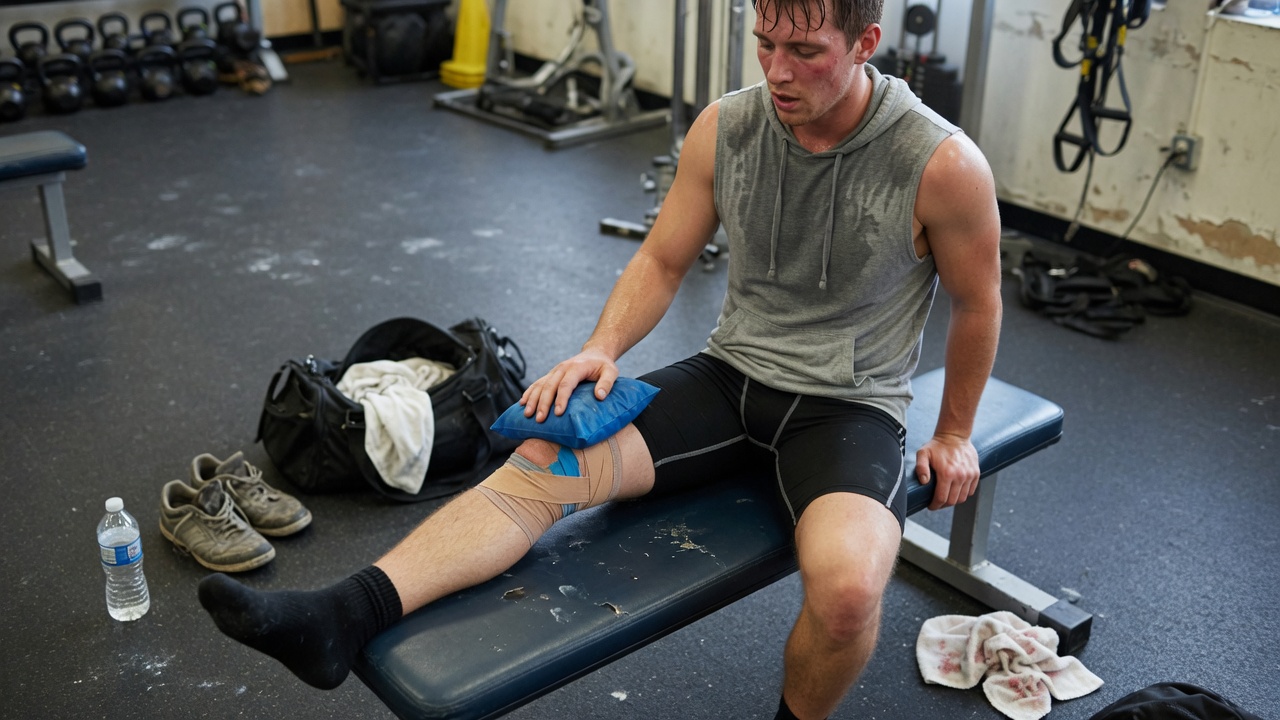
Sports pages used to mean who won on Saturday. That still matters—people love a result. What aged badly is the cult of the grind: play hurt, mock recovery, treat teenagers like mini professionals until their knees file a complaint.
Good sport writing can hold both truths. Celebrate skill. Also ask how the training week looked, whether concussion protocols were followed, and whether junior pathways still leave room for free play. Those questions are not soft. They are how you still have athletes at thirty.
What to watch for as a fan or parent
- Specialising in one sport too early without off-season variety
- Coaches who confuse volume with quality
- Sleep treated as optional around travel and night games
- Mental health mentioned only after a crisis headline
If you coach, measure progress across seasons, not only weekends. If you parent, protect multi-sport childhoods where you can. If you write about sport, leave room for the unglamorous Tuesday session. That is where careers are made or quietly broken.
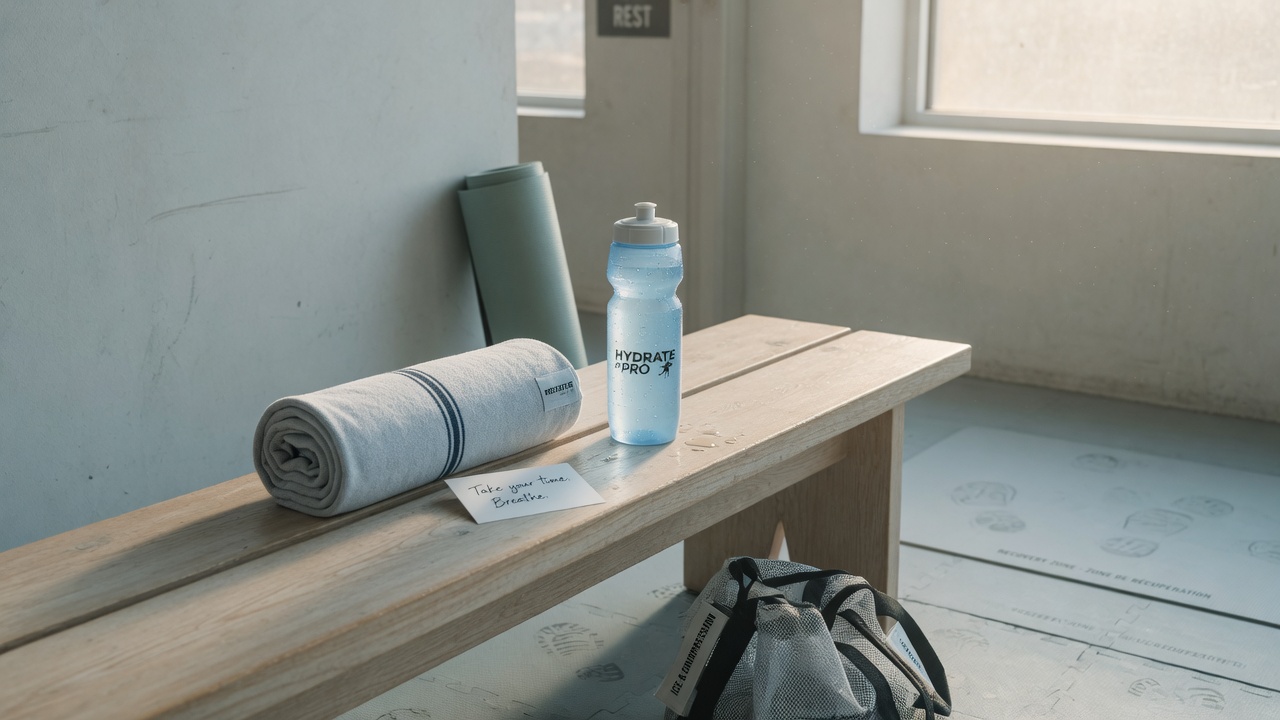
Recovery is not the opposite of ambition. Sleep, nutrition, load management, and honest reporting of pain are how skills compound. The athlete who trains through every warning signal may look tough on social media and disappear by twenty-eight. The quieter career is often the longer one.
For ordinary adults who still play club sport on weekends, the same rules scale down: warm up, progress slowly after time off, and treat nagging joints as data rather than character tests. Longevity is not only a lab topic—it shows up on wet Saturday pitches too.
Reading this with a clear head
If this topic matters to your care, bring it to a qualified professional who knows your history. Editorial context is not a diagnosis, a prescription, or financial advice.
Why this page still earns a place
Celebrate the win. Then ask how the body will show up next season. That is sport coverage worth keeping.