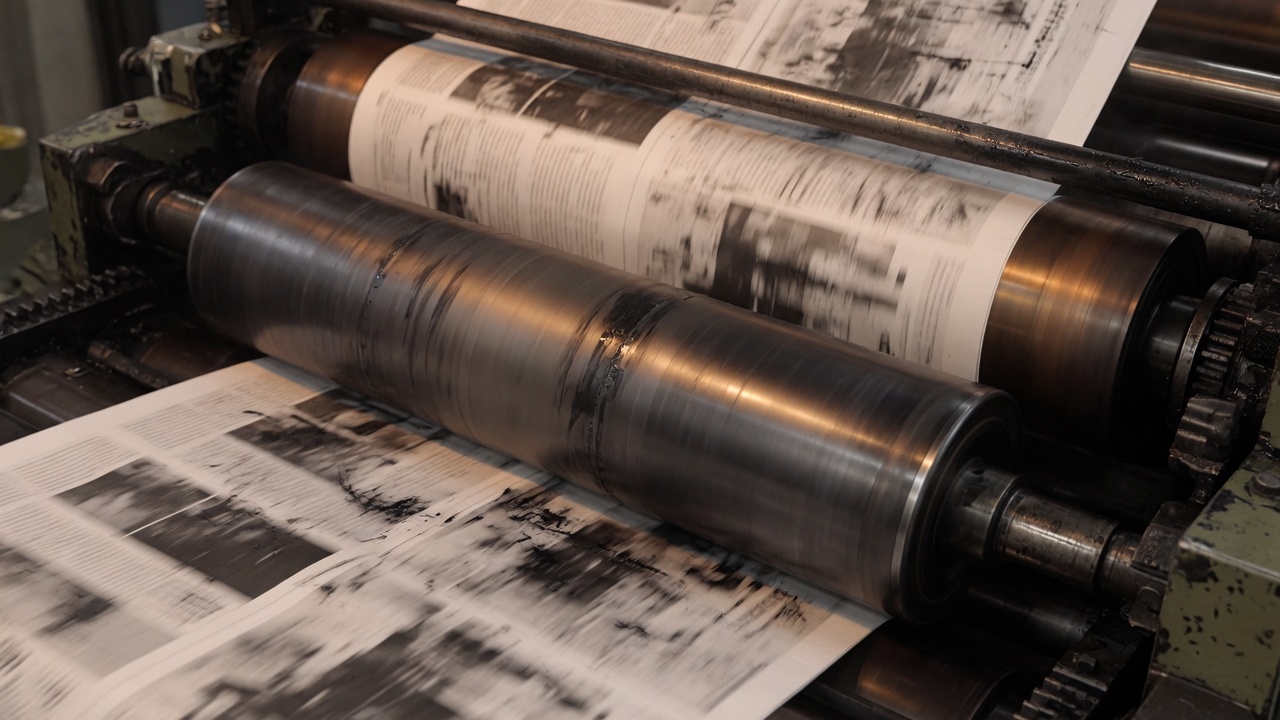
Titles like the Rangitīkei Mail stitched together stock sales, school photos, court snippets, and council rows. They were never perfect. They were shared. When advertising walked to the internet, many closed or shrank to ghosts of themselves.
What replaces them is often a Facebook group with the same confidence and less editing. That can mobilise a search for a lost dog. It is a poor archive for a consent hearing.
If your district still has reporters, treat them as scarce infrastructure. Subscribe. Send them documents. Correct them fairly when they err. If they are gone, consider the unromantic work of newsletters, co-ops, or supporting regional desks that still drive out for a story. Rural longevity is not only physical health. It is whether a place can still tell itself the truth on deadline.

Farmers and small-town businesses once underwrote local papers through stock ads and shop ads. When that money left, the reporting left with it. Rebuilding anything like that capacity will take co-ops, philanthropy, or council transparency practices—not nostalgia alone. Start with what you can fund for twelve months and measure whether people use it.
What thins out when the local paper does
District coverage is not nostalgia—it is how councils get watched, clubs get listed, and ordinary deaths and wins stay on the record. When that layer dies, misinformation fills the gap with louder confidence and less accountability.
Supporting local reporting, council livestreams, and primary documents is civic health work. Longevity of community memory depends on it.
Why this page still earns a place
Readers who want a single takeaway can use this: prefer actions you can repeat next month over stories that only raise your pulse for an afternoon. Independent News for Longevity is built for that slower kind of attention—science and habits that still matter when the feed has moved on.