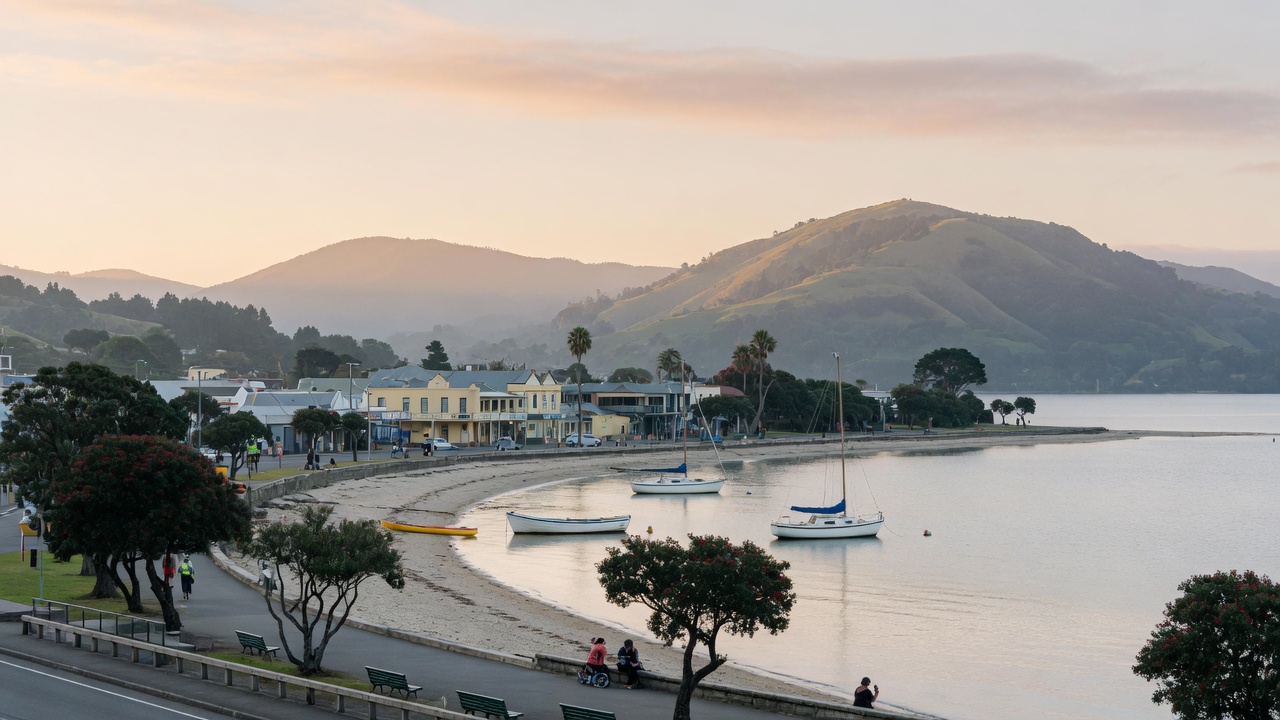
The Wind Wand on New Plymouth’s foreshore—a tall, flexible Len Lye piece—divides taste as reliably as any public artwork. Some locals love it. Some roll their eyes. Almost everyone uses it as a reference point. That is success for a landmark.
Coastal walks, wind, and a skyline marker get people outside. Outside minutes are one of the few health interventions that still feel like leisure. Cities that invest in foreshores are not being precious; they are building casual infrastructure for movement.
Old pages under this URL mixed local colour with unrelated chatter. This rewrite keeps the place and drops the clutter. If you visit, walk the coastal path when the weather allows. If you live there, defend public access when development arguments get loud. The wand bends in the wind. The principle should not: waterfronts work best when ordinary people can reach them.
Public art earns its keep when it survives jokes and still helps you navigate. If a piece only photographs well for tourism boards, it is decoration. If locals use it as a landmark after the novelty fades, it is urban equipment with a personality.
Landmarks that earn their keep
Good public landmarks are not only photos for tourism boards. They orient people, host gatherings, and give a place a shared reference point. The Wind Wand’s lesson travels: bold public art works when it is maintained, debated, and actually used by residents—not only by brochures.
Places that invest in shared symbols often invest in shared care. That is a cultural longevity story as much as a design one.
Why this page still earns a place
Readers who want a single takeaway can use this: prefer actions you can repeat next month over stories that only raise your pulse for an afternoon. Independent News for Longevity is built for that slower kind of attention—science and habits that still matter when the feed has moved on.