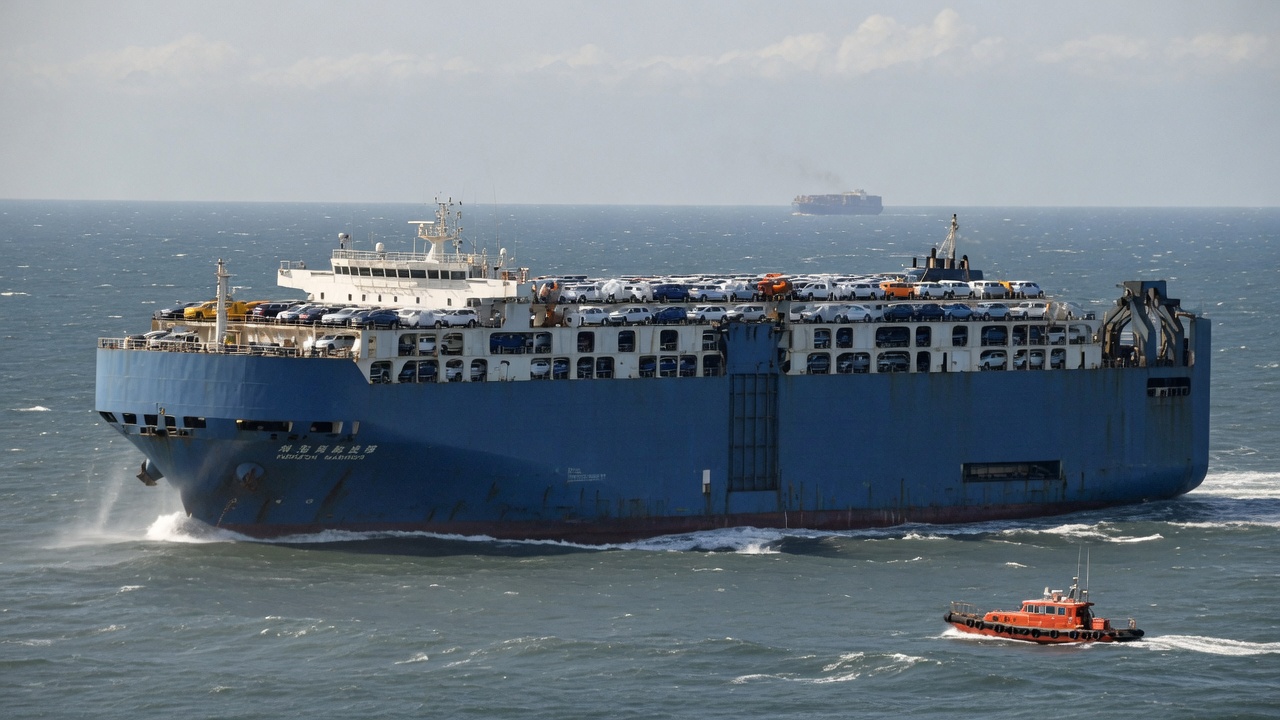
Importing a vehicle or a hull looks simple in a forum screenshot. Then reality arrives wearing six invoices. Freight, insurance, port handling, biosecurity, compliance modifications, storage, and the final transport home can each be “someone else’s line item” until they are yours.
FOB and CIF are not magic spells. They allocate which costs sit with seller or buyer up to a point in the journey. If you cannot redraw the quote as a door-to-door total in NZ dollars, you are shopping blind.
Comparison checklist
- Identical scope written for every broker
- Every fee category listed; blanks marked “excluded”
- Compliance pathway named early—especially for older vehicles and complex boats
- Contingency money set aside before you fall in love with the photos
The cheapest quote often omitted a real cost. The best quote survives a highlighter test in ten minutes. Be the person with the highlighter.
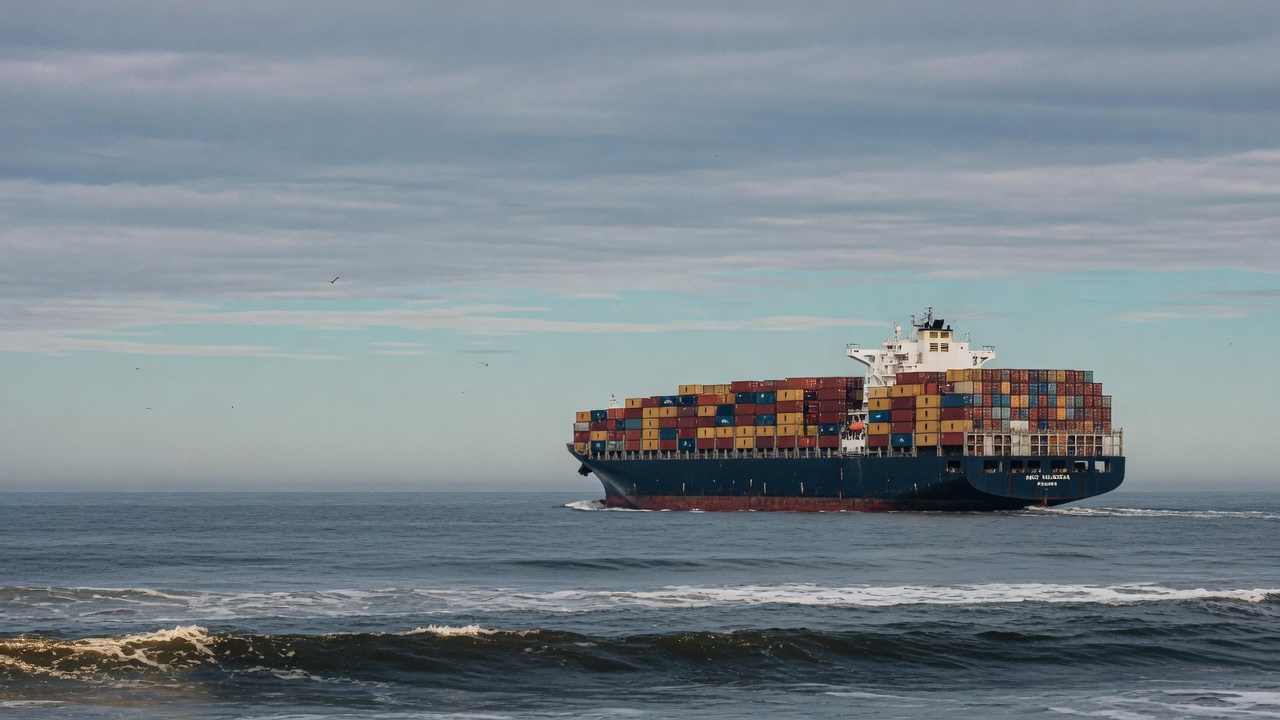
Stress is part of the cost too. Surprise fees, delayed clearances, and boats that fail inspection do not only hit bank accounts—they hit sleep and decision quality. Budget time as carefully as money: biosecurity holds and compliance workshops are not “extra,” they are the job.
If the deal only works when every variable lands on the optimistic side, it does not work. Build a margin for weather, exchange rates, and a second quote when the first one looks suspiciously clean. Enthusiasm is fine. Blind spots are expensive.
Reading this with a clear head
If this topic matters to your care, bring it to a qualified professional who knows your history. Editorial context is not a diagnosis, a prescription, or financial advice.
Why this page still earns a place
Import once with a full spreadsheet and you will never trust a single-line “landed price” again. That caution is not cynicism. It is how adults buy heavy things that cross oceans.