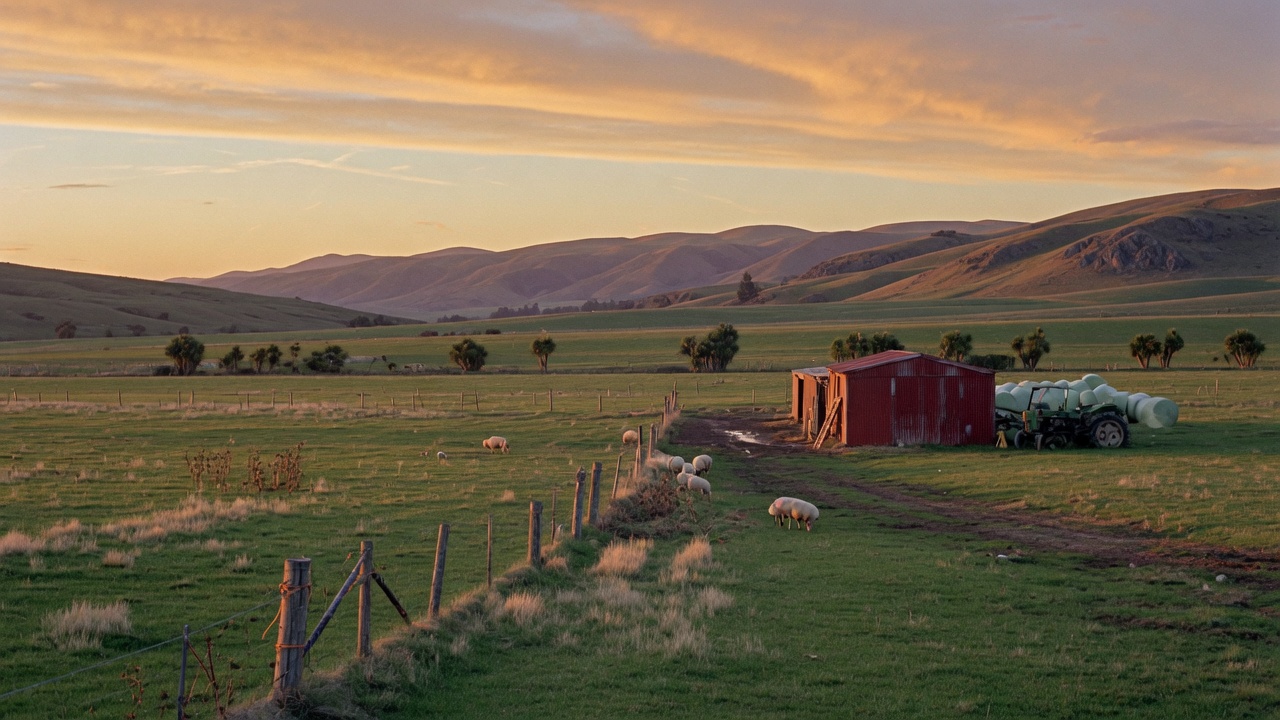
Drive south far enough in New Zealand and the light changes. The wind has a longer run-up. Farmers talk about soil and stock the way city people talk about traffic—constantly, because it decides the week. Southland has never been a soft-marketing brochure. It is a working province with weather that keeps people honest.
Older web pages on this domain parked a “Southland” path for regional links. Fair enough. What belongs here now is not a chamber-of-commerce speech. It is a clear look at how place shapes stamina—physical, financial, and social.
Weather is a management system
When rain arrives sideways, plans rewrite themselves. Contractors build slack into jobs. Families keep freezers stocked. That habit looks old-fashioned until a supply chain hiccups, and then it looks like competence. Longevity, in the plain sense of lasting through hard seasons, starts with respecting constraints instead of pretending they are optional.
Urban advice about “getting outside” hits differently when outside can bite. Southlanders still get outside—hunting, fishing, sport, farm work—but they dress for it and know when to come in. That is not toughness theatre. It is risk management with muddy boots.
Work culture without the LinkedIn filter

Shift work, seasonal peaks, and trades that wreck knees if you ignore recovery are part of the economy. The healthy version of that culture looks after sleep, backs, and apprentices. The unhealthy version treats injury as a personality test. Plenty of workplaces have moved toward the first; some still lean on the second. Readers who work with their hands already know which supervisor they trust.
- Warm-up and tool choice matter more after forty than bravado does
- Seasonal overtime needs an off-season, not a six-pack of energy drinks
- Young workers copy what seniors do, not what the poster says
Neighbours still count
Distance between houses can be large; distance between people is often small when something breaks. A tractor loan, a lift to town, a casserole after a funeral—these are not soft extras. They are how rural health systems stretch when the clinic is an hour away.
If you left Southland for a city, you probably still measure other places against that practical kindness. If you stayed, you already know the cost of isolation when a town loses its nurse, its paper, or its rugby club. Keeping those institutions alive is a longevity project for a whole community, not a lifestyle brand.
This page stays short on romance and long on respect. Southland is not a metaphor. It is a real climate, a real economy, and a real set of habits that keep people going when the forecast looks ugly.