Genetics
Gene editing is getting sharper. Aging is still messy.
CRISPR made headlines. Longevity will need more than one cut in one gene.
Longevity, genetics, AI, and the science of lasting longer—short reads, straight talk.
CRISPR made headlines. Longevity will need more than one cut in one gene.
Biological age tests are everywhere. Reading them well is rarer than buying them.
Senescent cells refuse to die cleanly. Clearing them is a live research bet—not a weekend cleanse.
Machine learning is already changing how molecules get proposed. Clinical trials still decide who wins.
More data about you is only useful if someone can act on it without drowning.
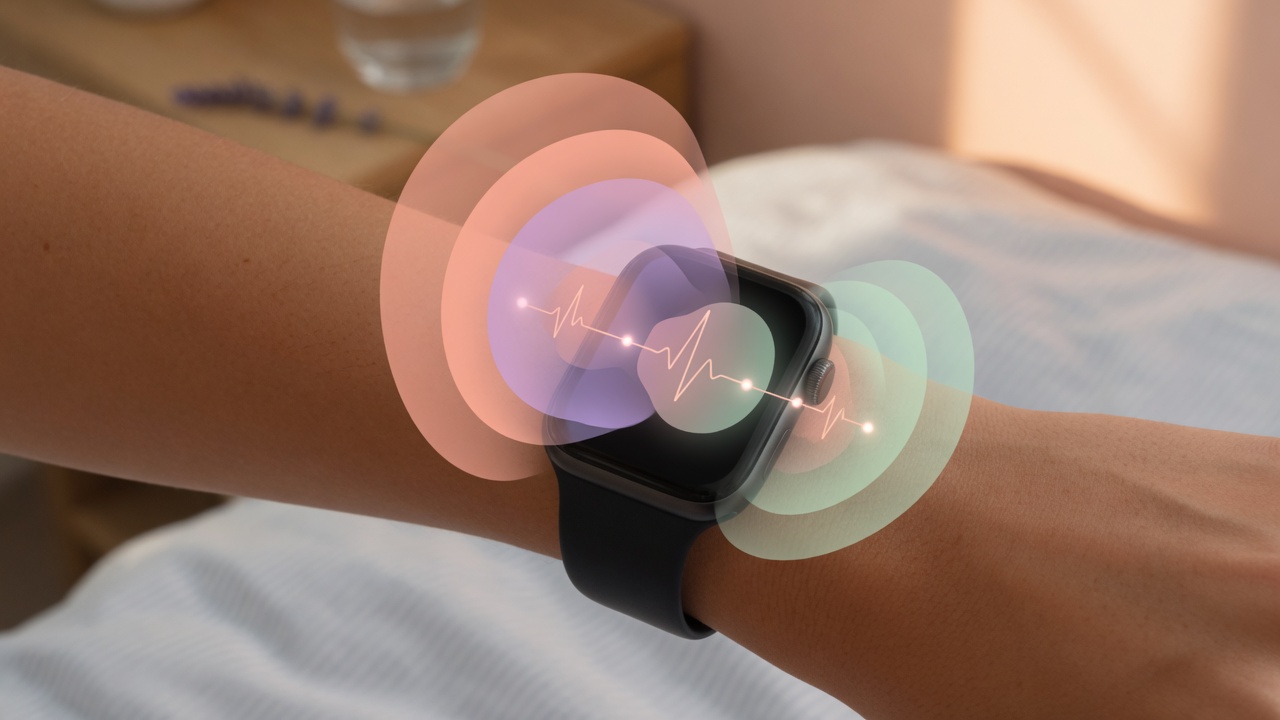
Heart rhythm, sleep stages, overnight oxygen—more signal, still easy to obsess over.
Vaccines proved manufacturing speed. Cancer and rare disease programmes are the longer plot.
Circadian light, consistency, and apnea—less glamorous than nootropics, more powerful.
Gut research is real. Most commercial promises are ahead of the evidence.
Some aging-adjacent drugs have real human use cases. Self-experiment is not a protocol.
Blood tests hunting cancer DNA could change screening. False positives change lives too.
Alzheimer’s research finally has better fluid markers. That changes trials more than dinner conversation—for now.
Organoids will not replace clinical trials. They can stop some bad ideas earlier.
Stem cells and tissue engineering advance in focused lanes. Clinics selling youth are another industry.
Concierge aging medicine can be careful—or a very expensive vibe.
Muscle is metabolic, mechanical, and protective. Losing it quietly is expensive.
Pollution, smoke, and damp indoor air are not lifestyle blogs. They are exposure.
Older adults often under-eat protein while needing more stimulus to keep it.
Post-meal movement blunts glucose spikes. It also clears the head.
When anyone can generate a confident medical paragraph, knowing what to trust matters more.