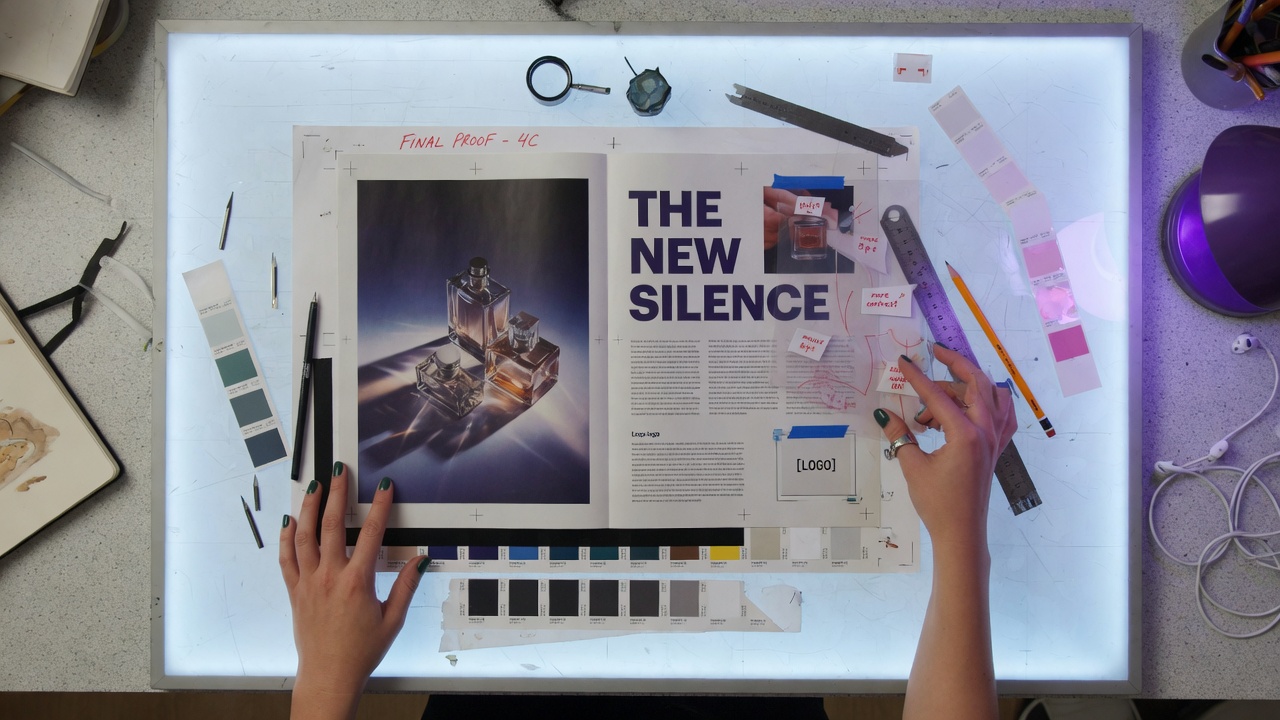
This path used to sit in an “ad info” corner of the old site—rate cards, mechanical specs, the unglamorous machinery of selling space. The machinery changed. The problem did not: you still need strangers to notice you without hating you for it.
Digital ads won on targeting and measurement. They also trained people to flinch. Print cannot retarget your couch. It can sit on a café table until someone is bored enough to read. That boredom is a feature.
When print still makes sense
- Local businesses whose customers still hold a community paper
- Premium products that benefit from paper quality and photography
- Events where a poster or programme becomes a souvenir
- Trust-building for professions that look cheap when they only spam inboxes
How to avoid lighting money on fire
One strong offer beats three fonts. A real phone number beats a QR code to a slow landing page. If you cannot explain the deal in a sentence a tired parent would understand at the kitchen bench, rewrite it. Track response with unique URLs or phone extensions so you are not guessing.

Also: do not lie. Exaggeration travels further than you think in a town where people talk. Advertising is temporary. Reputation is the long asset.
Keep this page as a craft note, not a nostalgia tour. Ink still works when the message and the audience actually match.
Reading this with a clear head
If this topic matters to your care, bring it to a qualified professional who knows your history. Editorial context is not a diagnosis, a prescription, or financial advice.
Why this page still earns a place
Readers who want a single takeaway can use this: prefer actions you can repeat next month over stories that only raise your pulse for an afternoon. Independent News for Longevity is built for that slower kind of attention—science and habits that still matter when the feed has moved on.