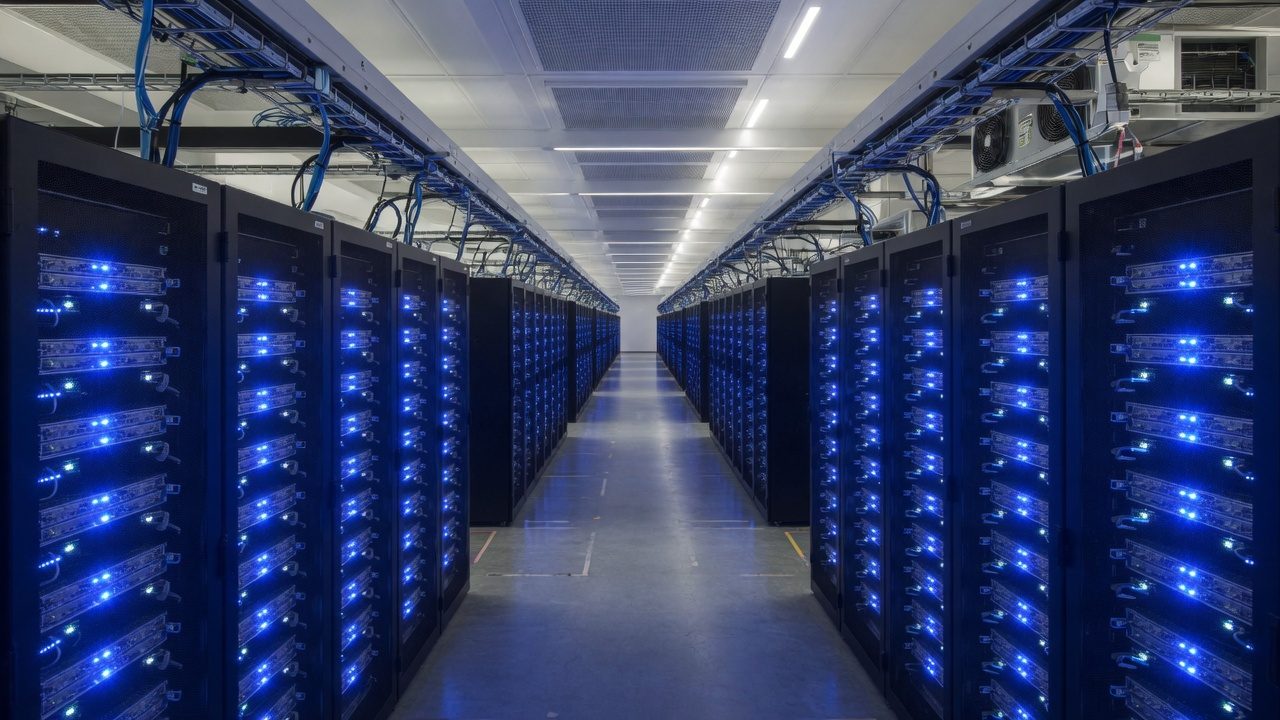
After the petaflop headlines faded, the quieter scoreboard took over: energy per calculation, cooling design, software that can actually use thousands of cores, and whether a facility can stay online without bankrupting the power budget. Supercomputing stopped being only a trophy number and became an industrial systems problem.
That matters for a longevity library because climate models, materials science, and drug discovery all sit downstream of machines that can grind through expensive questions. Public health inherits those results even when the public only sees a simplified press release.
What a non-specialist should remember
- Benchmarks can be gamed; published science is the better scoreboard
- Energy and water use are now part of the design brief
- Progress toward exascale changed names more than purpose
- Efficient parallel code is harder than a slide full of flops
If you landed here from an old link, take the sober version: big computers exist to answer expensive questions carefully. They are not a personality trait for consumer brands. Tools improve; timelines stay honest. That combination ages better than hype about speed for its own sake.
Why this page still earns a place
Readers who want a single takeaway can use this: prefer actions you can repeat next month over stories that only raise your pulse for an afternoon. Independent News for Longevity is built for that slower kind of attention—science and habits that still matter when the feed has moved on.
When you next see a headline about a record-breaking machine, ask what problem it is for, how much energy it draws, and whether the software can use it. Those three questions cut through most of the fog around big computers and leave room for the science that actually touches health and climate work downstream.