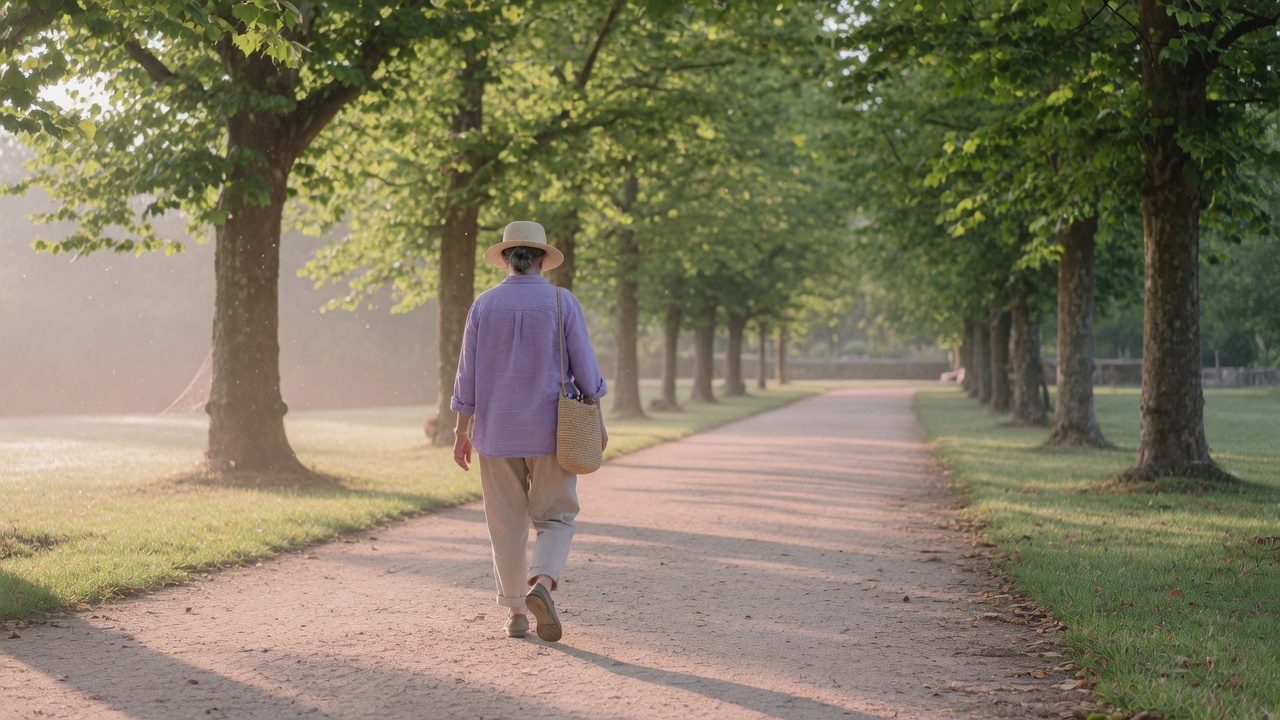
Walking lowers the barrier so far that people underestimate it. Ten to twenty minutes after a meal can blunt glucose spikes. A daily loop clears mental static. Outdoor light helps the body clock.
You do not need special shoes for a start, or a perfect route. You need shoes you will actually put on. Rainy days still count with a hallway march or a covered carpark lap.
Stack walking onto something you already do: after lunch, after school drop-off, while on a call (eyes up, traffic respected). Social walks beat lonely perfection.
When clients ask where to begin with longevity, I often say: walk more days than you do not, then add strength. Complexity can come later.
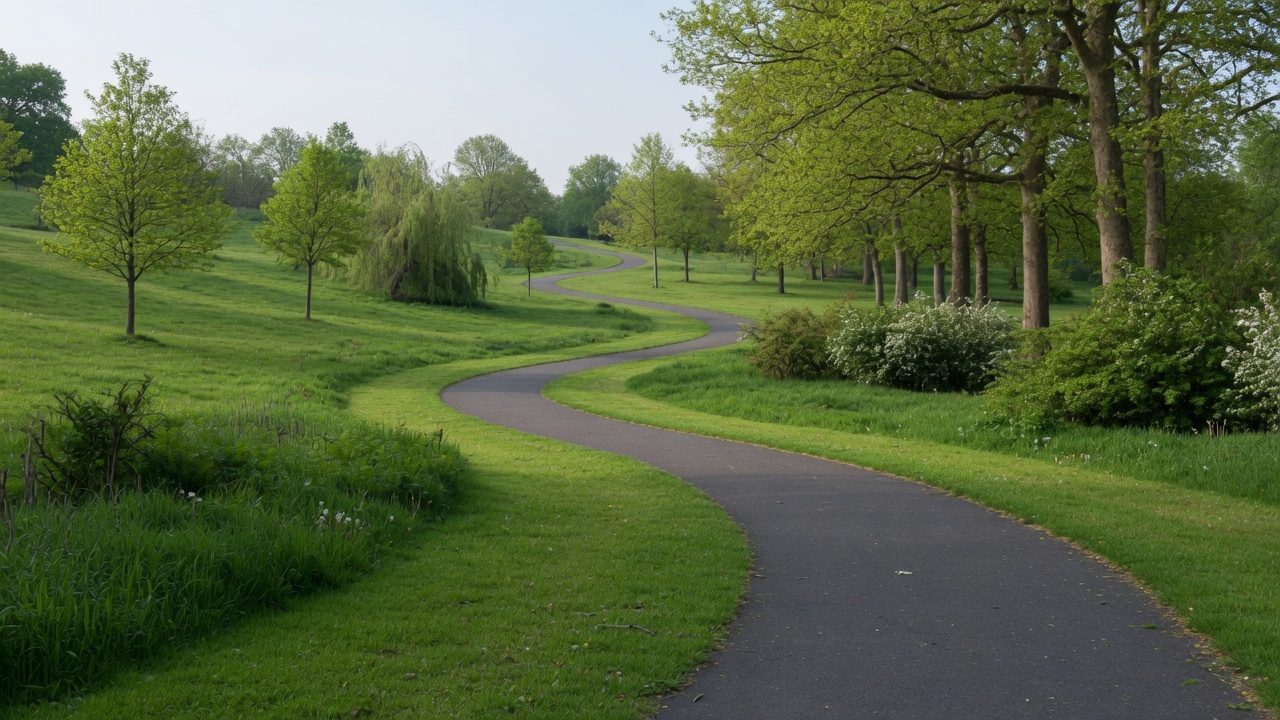
Make walking automatic, not heroic
The walks that change health are the ones that survive bad weather and busy calendars. Link them to something you already do: after lunch, after a meeting block, while a child is at practice. Ten honest minutes still counts. Twenty is better. Speed is optional; consistency is not.
Leave the productivity podcast at home sometimes. Let your mind wander. That is not wasted time—it is how nervous systems digest a day. If joints complain, shorten the stride, use softer surfaces, and build up rather than forcing a sudden 10k challenge.
Walking will not replace strength training or sleep. It will make both easier to keep, which is why it still earns a place near the top of any practical wellbeing list.
Make it survive a messy month
The best wellbeing advice is the kind you can still do when life is ordinary and slightly overloaded. Shrink the habit until it fits. Repeat it until it is boring. Boring is how health compounds.
If symptoms are severe or persistent, escalate to a clinician. Education pages support judgement; they do not replace care.
Readers who want a single takeaway can use this: prefer actions you can repeat next month over stories that only raise your pulse for an afternoon. Independent News for Longevity is built for that slower kind of attention—science and habits that still matter when the feed has moved on.