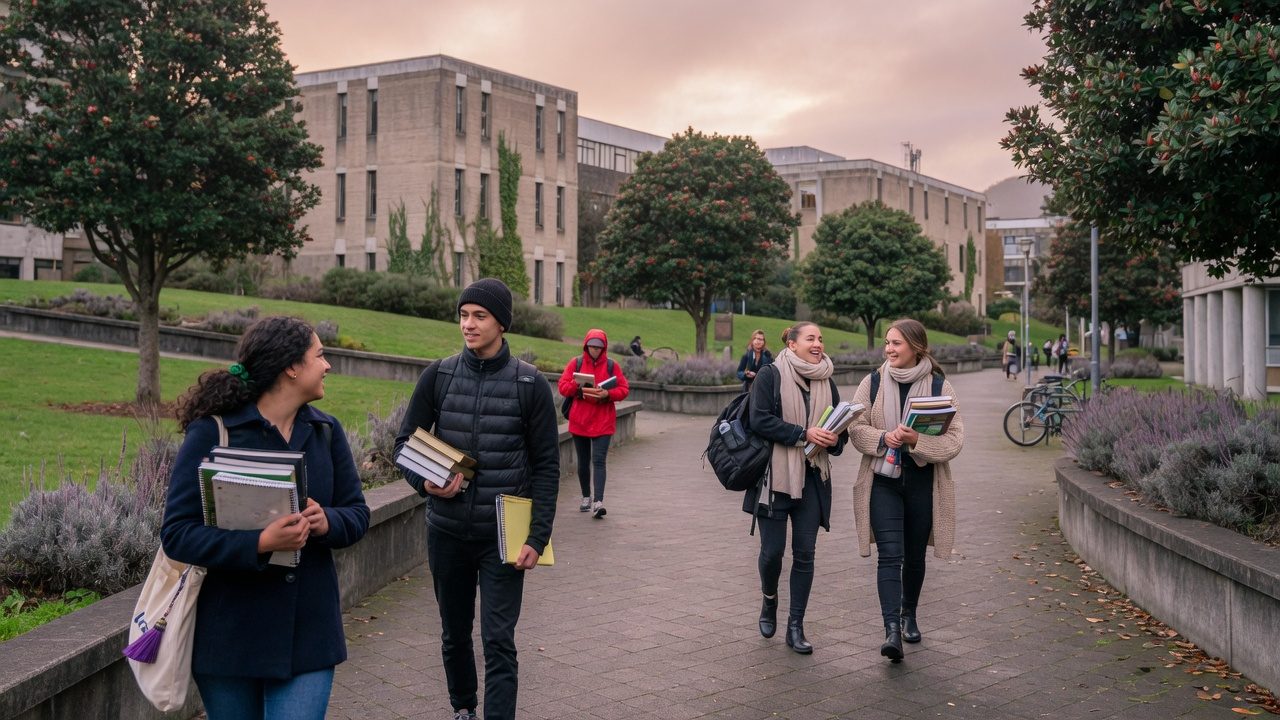
Kids are forced to learn. Adults have to volunteer. That is why so many of us plateau on a few skills and a few opinions. The brain is efficient; efficiency is not the same as healthy. New languages, instruments, crafts, and technical hobbies force attention into unfamiliar shapes. That strain, in moderate doses, is useful.
You will see grand claims about “neuroplasticity” on the internet. Ignore the hype curve. Keep the practical core: deliberate practice on something difficult still changes what you can do at forty, fifty, sixty. Pride will try to stop you looking like a beginner. Let pride lose.
How to pick a skill
- Hard enough that you fail daily at first
- Clear feedback—teacher, recording, or measurable output
- Possible in short sessions so life can still fit around it
- Not only entertainment; a little seriousness helps
Thirty minutes, three times a week, for a quarter. Then reassess. Curiosity without a schedule is a wish. Curiosity on the calendar is a practice. This URL keeps that argument for anyone who landed here from an old general-info link.
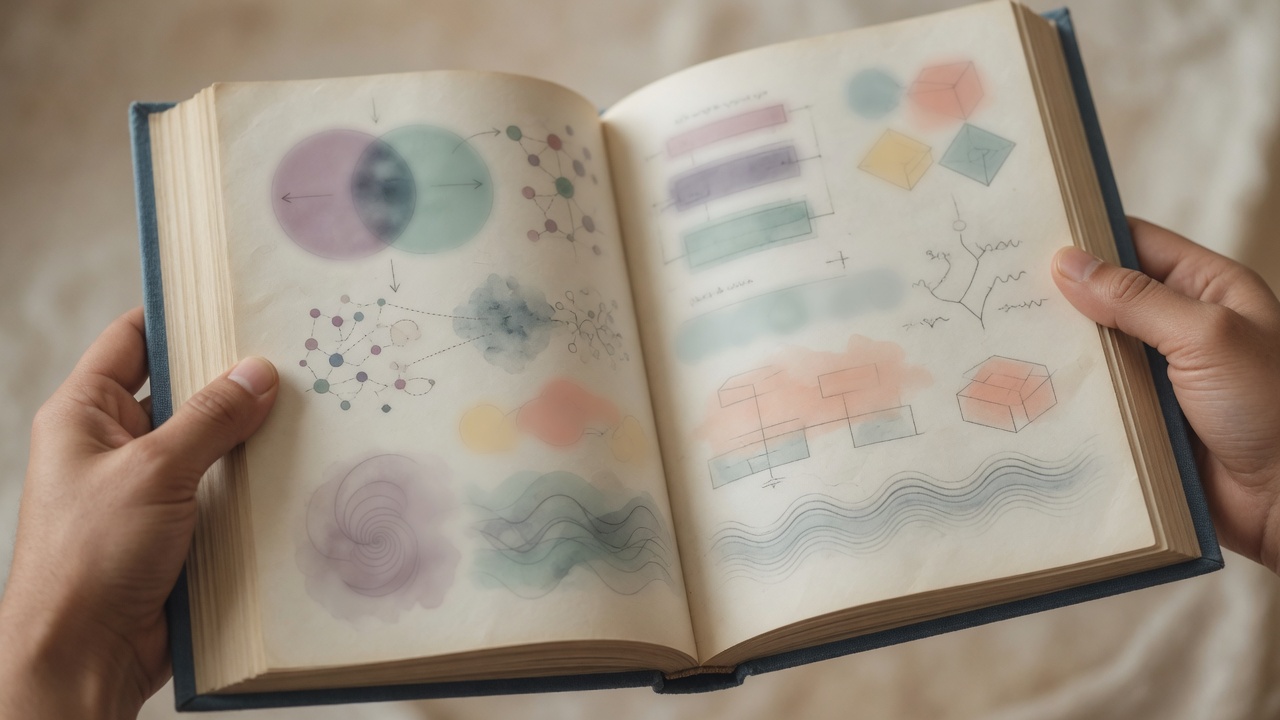
Curiosity as a practice
Stay curious on purpose means scheduling inputs that are not algorithmic junk food: long articles, museums, hard books, conversations with people who disagree politely. Brains age better when they keep learning—not when they only refresh a feed.
Pick one weekly habit that stretches attention. Protect it like a training session. That is independent news’s quiet bet on readers, and it still holds.
Why this page still earns a place
Readers who want a single takeaway can use this: prefer actions you can repeat next month over stories that only raise your pulse for an afternoon. Independent News for Longevity is built for that slower kind of attention—science and habits that still matter when the feed has moved on.