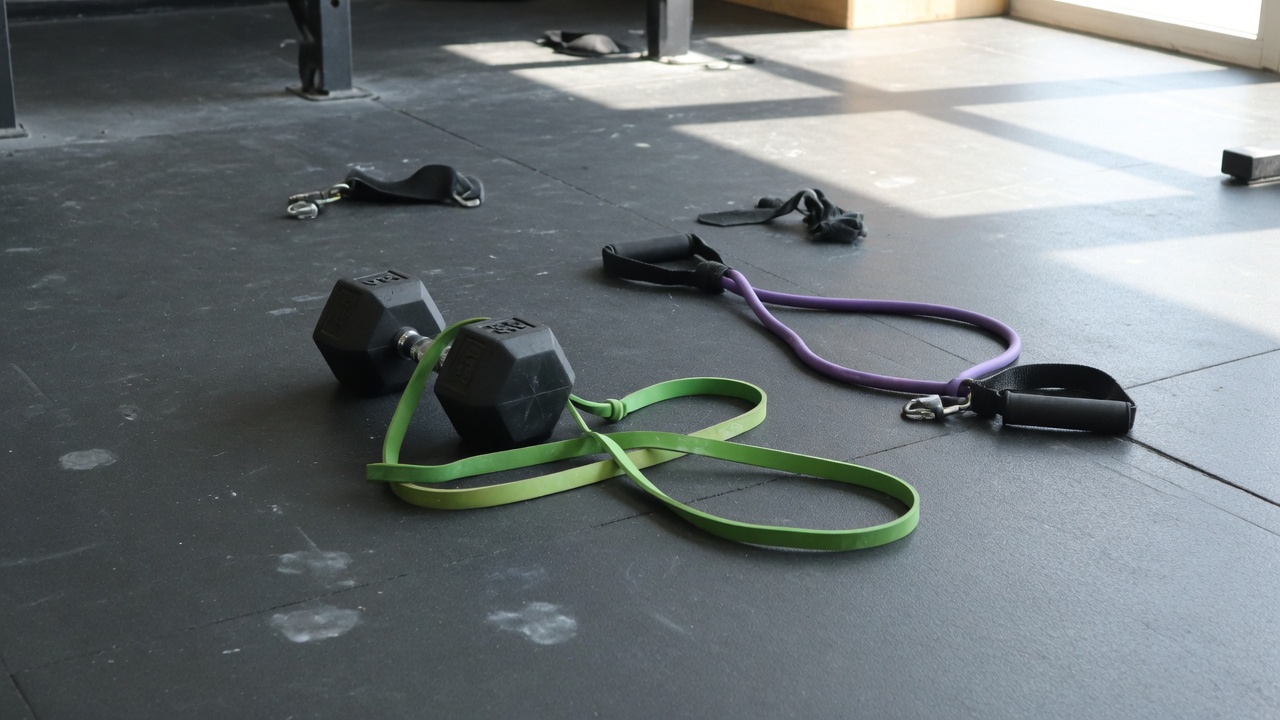
From midlife onward, strength training is not optional vanity work. Muscle helps control blood sugar, supports joints, protects bone, and keeps you capable of ordinary life—stairs, suitcases, getting off the floor.
Two or three sessions a week covering squat or sit-to-stand patterns, hinges, pushes, pulls, and carries will outperform a heroic January programme you abandon. Progress loads slowly. Tendons need patience more than ego does.
Pair training with enough protein and sleep. Cardio still matters for the heart and mood; it does not replace resistance work.
If machines intimidate you, start with a coach for six sessions. The goal is not aesthetics for a photo. The goal is capacity at seventy that you built at fifty.
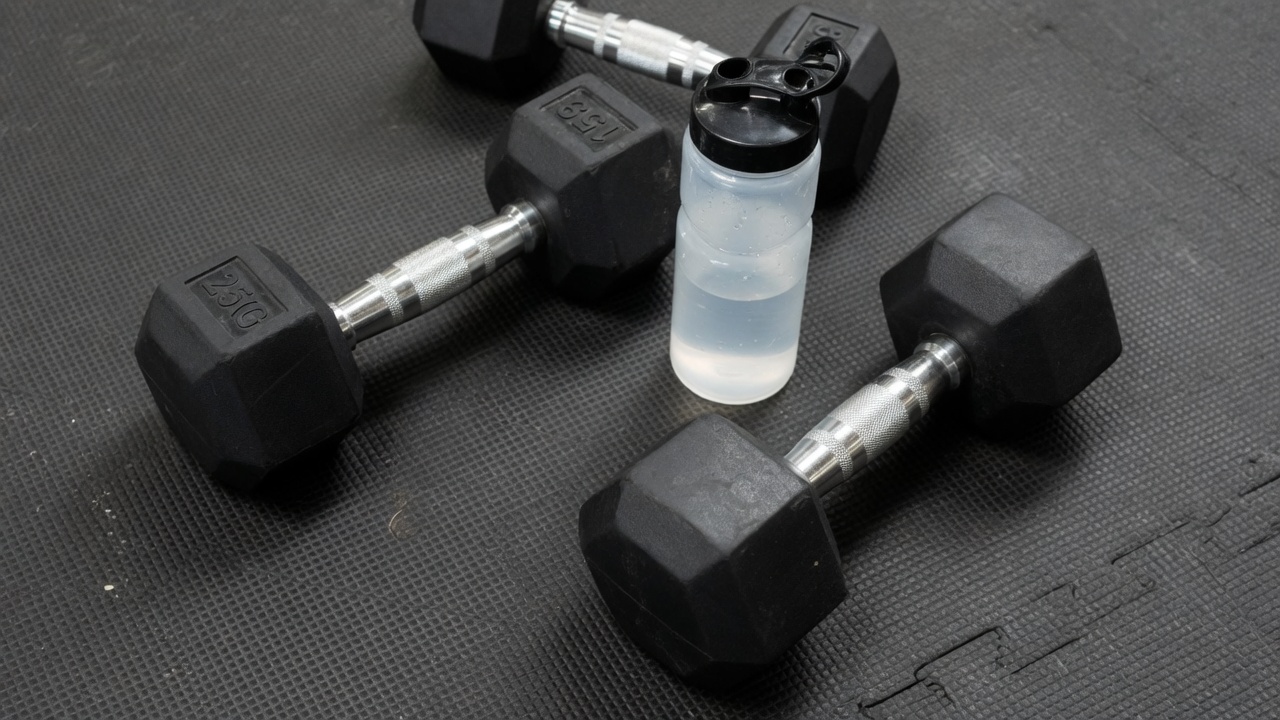
What “enough” strength training looks like
Two or three full-body sessions a week, progressing slowly, covering squat or sit-to-stand patterns, hinge or bridge, push, pull, and carry. You do not need a powerlifting total. You need muscles and bones that still say yes to travel, kids, and unexpected stairs.
Warm up. Leave a rep or two in reserve when you are learning. Sleep and protein are part of the programme. Ego lifting is how forty-five-year-old shoulders become permanent hobbies for physiotherapists.
If you have pain, medical conditions, or a long layoff, get a screen from a qualified professional and start lighter than your pride prefers. The win is still training next year—not impressing anyone this week.
Make it survive a messy month
The best wellbeing advice is the kind you can still do when life is ordinary and slightly overloaded. Shrink the habit until it fits. Repeat it until it is boring. Boring is how health compounds.
If symptoms are severe or persistent, escalate to a clinician. Education pages support judgement; they do not replace care.
Readers who want a single takeaway can use this: prefer actions you can repeat next month over stories that only raise your pulse for an afternoon. Independent News for Longevity is built for that slower kind of attention—science and habits that still matter when the feed has moved on.